![Picture of Mahibur Fakir [Hillol]](https://secure.gravatar.com/avatar/5d35a11815be0a5f73b6180975d1521fdd7694c880473d8ad5c74749dce26bd6?s=96&d=mm&r=g)
Heavy Monsoon Rain Causes Widespread Flooding
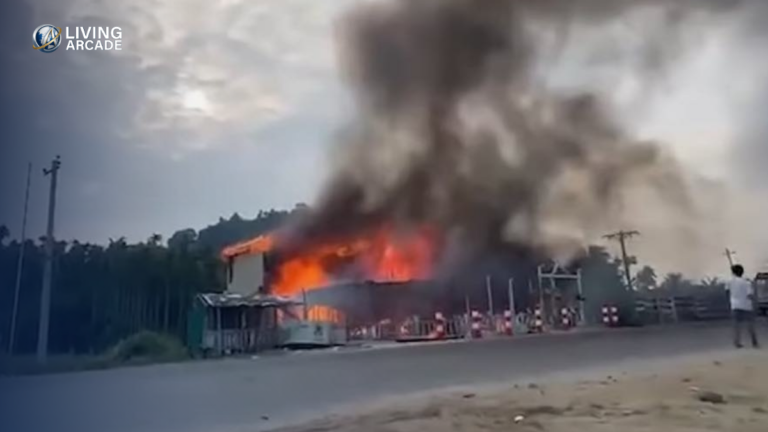
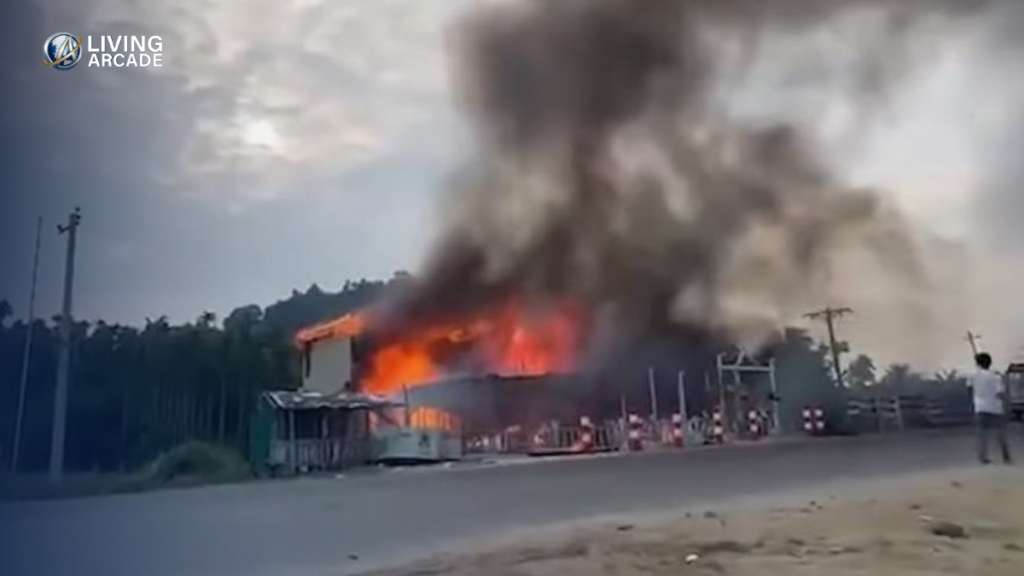
Bangladesh Floods 2026 have caused one of the country’s most serious monsoon emergencies this year. Days of continuous heavy rainfall triggered severe flooding and landslides across southeastern Bangladesh, affecting millions of people and disrupting daily life in several districts.
Authorities said at least 44 people have lost their lives, while more than one million residents have been affected by the disaster. Thousands of families remain trapped as floodwater continues to cover homes, roads, and farmland.
Seven Districts Hit Hard
The worst-affected districts include:
- Chattogram
- Cox’s Bazar
- Bandarban
- Rangamati
- Khagrachhari
- Moulvibazar
- Habiganj
Floodwater has damaged roads, bridges, electricity lines, and communication networks. Many villages remain difficult to reach, making rescue and relief operations more challenging.
Officials reported that hundreds of thousands of households have been directly impacted, with many families forced to leave their homes for temporary shelters.
Rescue Teams Continue Relief Operations
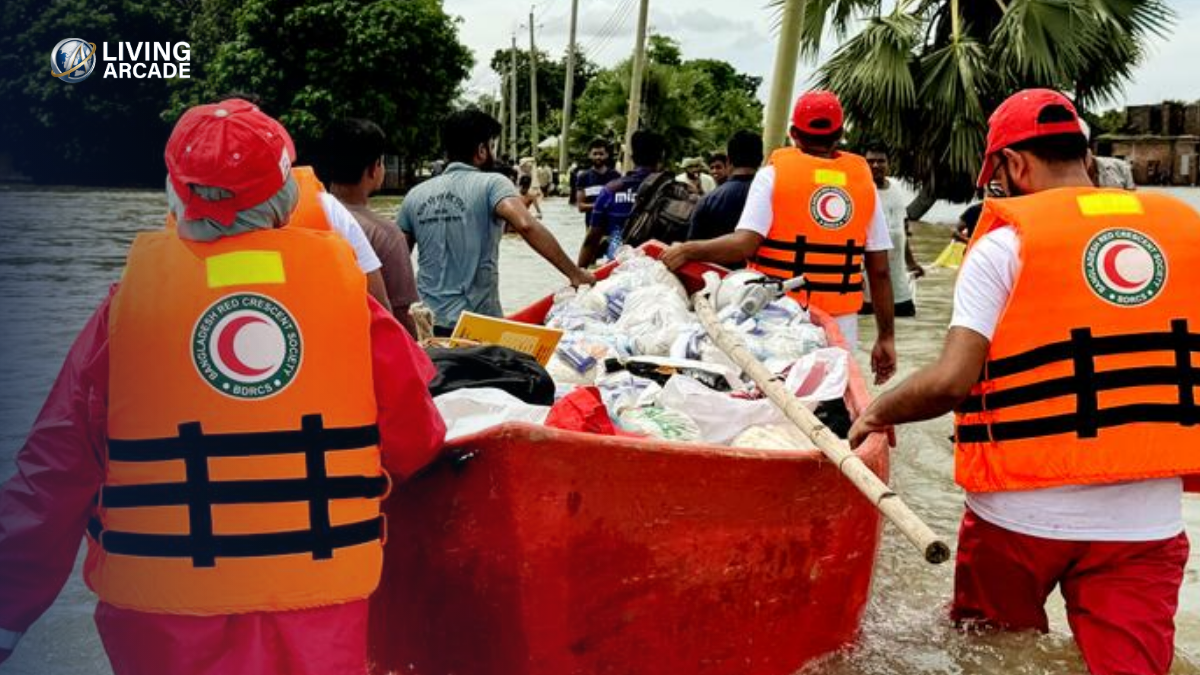
The Bangladesh Army and Bangladesh Navy are helping deliver emergency supplies to isolated communities.
Boats are transporting:
- Safe drinking water
- Dry food
- Medicines
- Emergency relief supplies
Authorities have also opened emergency shelters and urged residents living in flooded areas to move to safer locations whenever possible.
Families Face Food and Power Shortages
Many flood-affected families have been living without electricity for several days. Floodwater has entered homes, damaging kitchens and making it impossible for many people to prepare meals.
Residents are currently relying on emergency food items such as flattened rice, puffed rice, biscuits, and bottled drinking water while waiting for additional assistance.
Rohingya Camps Also Affected
The heavy rainfall also caused landslides inside the Rohingya refugee camps in Cox’s Bazar.
Emergency workers continue monitoring the camps because temporary shelters built on steep hills remain vulnerable during the monsoon season.
Climate Experts Warn of Growing Risks
Bangladesh experiences flooding almost every year during the monsoon season. However, climate experts warn that rising global temperatures are increasing the frequency and intensity of extreme rainfall events.
Experts say stronger storms, heavier rainfall, and flash floods are expected to become more common in South Asia, making disaster preparedness increasingly important.
Government Response
Government agencies continue coordinating rescue operations with local authorities, emergency responders, and volunteers.
Relief materials, clean drinking water, medical support, and temporary shelter assistance are being distributed across the worst-hit areas as officials work to restore transportation and communication services.
Despite ongoing rescue efforts, many communities remain isolated because damaged roads and bridges are slowing access to remote villages.
Looking Ahead
Weather officials continue to monitor rainfall across southeastern Bangladesh. Authorities have advised residents living in low-lying and landslide-prone areas to remain alert as additional rain could worsen the flood situation.
With relief operations continuing, the immediate priority remains reaching isolated families, restoring essential services, and ensuring access to food, water, and healthcare for affected communities.
![Picture of Mahibur Fakir [Hillol]](https://secure.gravatar.com/avatar/5d35a11815be0a5f73b6180975d1521fdd7694c880473d8ad5c74749dce26bd6?s=176&d=mm&r=g)