![Picture of Mahibur Fakir [Hillol]](https://secure.gravatar.com/avatar/5d35a11815be0a5f73b6180975d1521fdd7694c880473d8ad5c74749dce26bd6?s=96&d=mm&r=g)
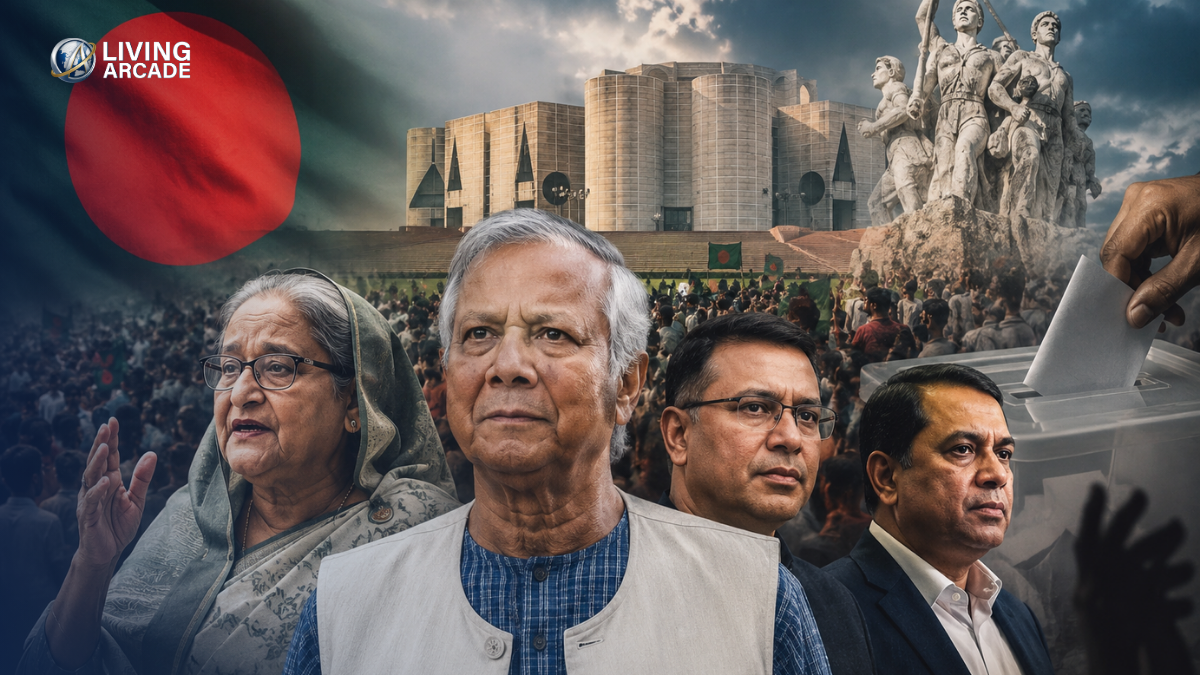
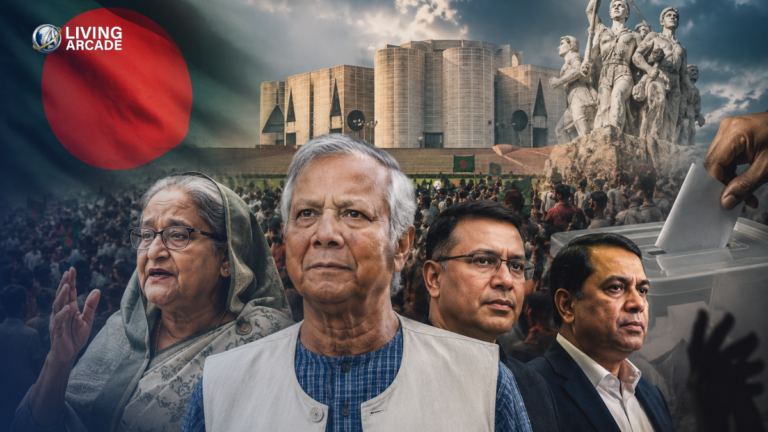
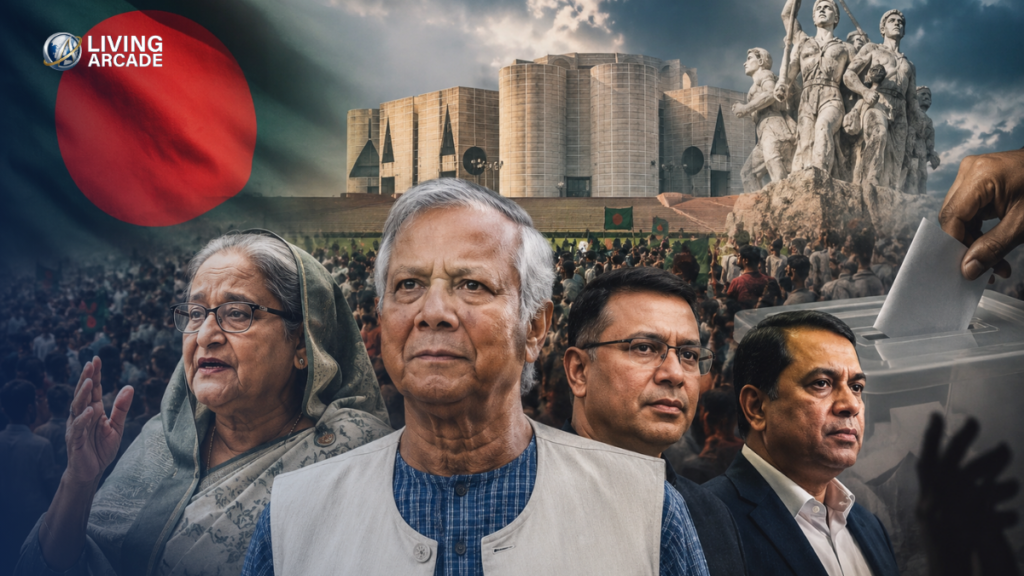
The Bangladesh Political Developments 2026 have reshaped the nation of 176 million after a year of turbulence. On February 12, voters chose a new parliament and, in a joint referendum, endorsed the July National Charter, a plan to “reconstruct the state on the foundation of democracy and human dignity.” Sixty-eight percent said yes, and the Bangladesh Nationalist Party (BNP) won a supermajority. Party leader Tarique Rahman became Prime Minister on February 17.
Background: Bangladesh Under Sheikh Hasina
Since independence in 1971, two parties, the Awami League (AL) and the BNP, have dominated politics, and both have faced charges of repression and corruption in power. According to Human Rights Watch, after 2009 the AL “gradually consolidated power by silencing critics” and arresting opponents. Hasina’s January 2024 win, boycotted by the opposition and called “not free or fair” by the U.S. State Department, deepened these concerns.
U.S. Policy Responses
Washington acted during Hasina’s rule. In December 2021, the U.S. Treasury sanctioned the Rapid Action Battalion (RAB) and several officials over rights abuses. In 2023, the State Department rolled out a visa policy targeting anyone undermining Bangladesh’s elections, and in September 2023 imposed restrictions on individuals from law enforcement, the ruling party, and the opposition.
The 2024 Protests
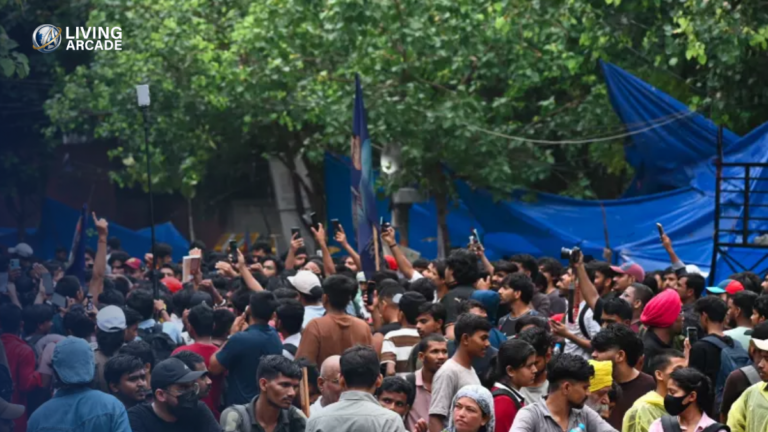
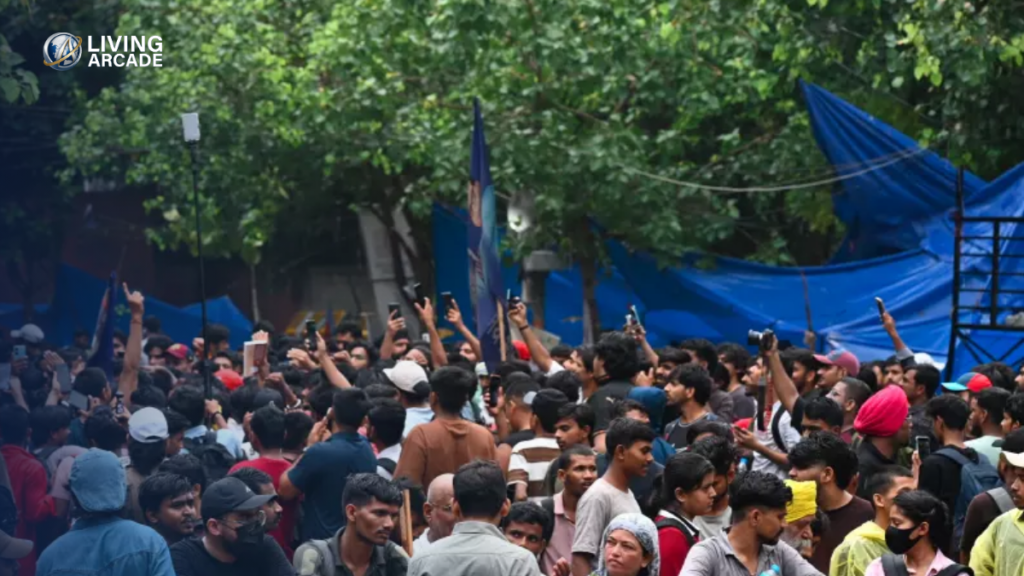
In July 2024, anger over a job quota system that reserved many government posts for select groups sparked mass student protests amid youth unemployment above 9%. After Hasina’s harsh rhetoric, security forces and the AL student wing attacked demonstrators. A UN report later found “hundreds of extrajudicial killings” and placed the death toll at up to 1,400. On August 5, 2024, the army refused to enforce a curfew, and Hasina fled to India.
The Interim Government
Nobel laureate Muhammad Yunus, then 84, was sworn in as Chief Advisor on August 8. His council included two student leaders alongside academics and lawyers. Yunus promised accountability and reform before fresh elections, while the BNP pushed for a quick vote. Polling by the International Republican Institute in late 2025 showed strong public support for his government.
The Reform Program
Yunus set up six reform commissions covering the judiciary, elections, administration, police, anti-corruption, and the constitution. A National Consensus Commission then merged their ideas into the July Charter 84 proposals, 47 needing constitutional change. Twenty-four parties signed it in October 2025, though the BNP objected to parts.
Domestic Security and Rule of Law
The Yunus era saw crime, a weak economy, and rising Islamist activity. Human Rights Watch said enforced disappearances appeared to end, but warned of “arbitrary detention” of opponents. In May 2025, the interim government suspended AL activities; in November 2025, Hasina was sentenced to death in absentia for the protest killings.
Minorities faced violence. The Hindu community, about 8% of the population, saw continued attacks, including a garment worker lynched over a blasphemy claim in December 2025. The government condemned it, saying “there is no space for such violence in new Bangladesh.”
The interim rulers also lifted Hasina’s ban on Jamaat-e-Islami (JI), fueling worry about a shift from secularism. Rights groups reported rising violence against women. In December 2025, student protest leader Sharif Osman Hadi was shot dead in Dhaka, triggering fresh unrest.
February 2026 Parliamentary Elections
Turnout hit 60%, higher than 2024 but below 2018’s 80%. In the 350-seat legislature, the BNP took 209 of 300 elected seats, with three more for allies. JI won a record 68 seats and now leads the opposition; the student-led National Citizen Party (NCP) took just 6. Only 7 women were elected. Hasina called the vote “a pre-planned election of deception and farce.”
Observers were cautiously positive. The EU mission called it “credible and competently managed,” while IRI said the administration was “technically sound” but the environment “remains fragile.”
Outlook
Rahman insists the July Charter “will be fully implemented,” yet BNP deputies have refused to join the Constitution Reform Council, and some reforms would curb the prime minister’s own powers. Rahman son of BNP founder Ziaur Rahman and Khaleda Zia, returned from London exile in December 2025. In April 2026, parliament labeled the AL and its affiliates “terrorist organizations,” a move critics call unsustainable for a real democracy.
Economy
Ready-made garments drive over 80% of exports, and poverty fell from 37.1% in 2010 to 18.7% in 2022. But inflation, weak revenues, and high fuel costs weigh on the new government. Bangladesh has asked the UN to delay its graduation from the Least Developed Countries list from 2026 to 2029.
Foreign Relations
Sitting between India, China, and the Bay of Bengal, Bangladesh holds a key strategic spot. The interim government leaned toward China, Pakistan, and Turkey. Rahman now promises a pragmatic “Bangladesh First” policy open to the U.S., China, and India. In June 2026, Foreign Minister Khalilur Rahman was elected the next president of the UN General Assembly.
With the United States, ties stay warm. Secretary Rubio praised the “longstanding partnership.” A February 2026 trade deal was signed, though a U.S. Supreme Court ruling on tariffs raised questions. With China, Yunus secured over $2 billion in investment and duty-free access. With India, ties cooled over its Hasina links; Dhaka’s request to extradite her remains “under examination. And with Pakistan, trade and military cooperation grew, despite unresolved 1971 wounds.
Issues for Congress
On trade, the U.S. goods deficit with Bangladesh was $7.1 billion in 2025. After tariff talks, both sides signed a Reciprocal Trade Agreement in February 2026, with a 19% tariff and some apparel carve-outs. In June 2026, the USTR flagged forced-labor concerns tied to Chinese cotton and proposed extra duties.
On minorities, the 2025 UN inquiry found abuses against Hindu, Ahmadiyya, and indigenous communities, driven by mixed political and communal motives. Rahman pledged to “uphold the rule of law” and human rights for all.
On the Rohingya, Bangladesh hosts over one million refugees from Burma. The U.S. gave more than $2.2 billion between FY2017 and FY2023, and pledged over $60 million more in September 2025. Like the AL, the BNP backs repatriation to Burma.
The Bangladesh Political Developments 2026 leave the BNP holding both power and pressure with the world, and the young voters who forced this change, watching whether reform becomes real.
Sources: Recent Political Developments in Bangladesh: Background and Issues for Congress
More on Living Arcade: Bangladesh USA Trade Deal 2026 Lifts Garment Exporters
![Picture of Mahibur Fakir [Hillol]](https://secure.gravatar.com/avatar/5d35a11815be0a5f73b6180975d1521fdd7694c880473d8ad5c74749dce26bd6?s=176&d=mm&r=g)