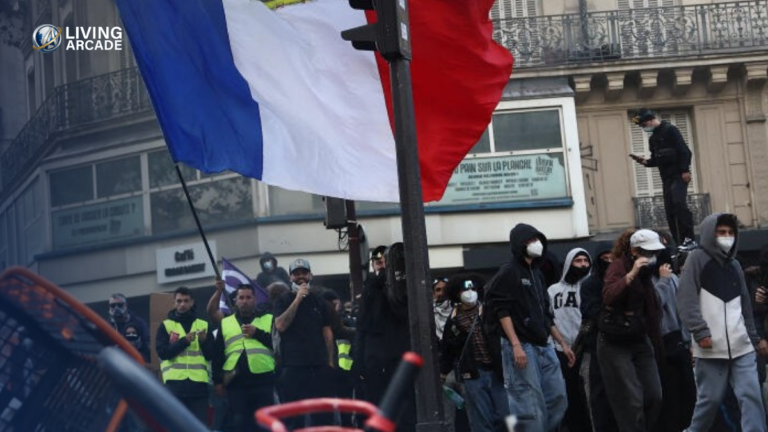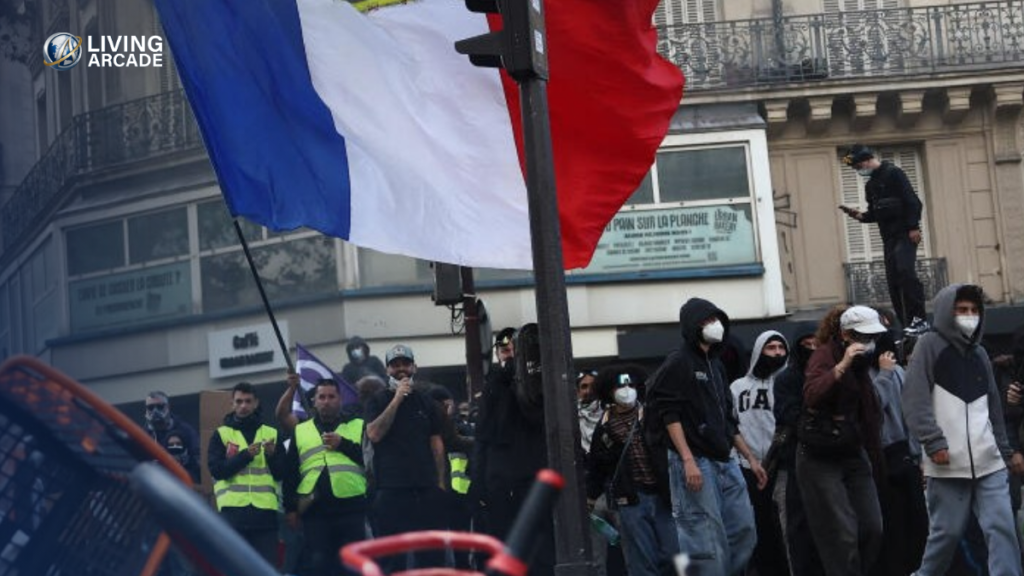

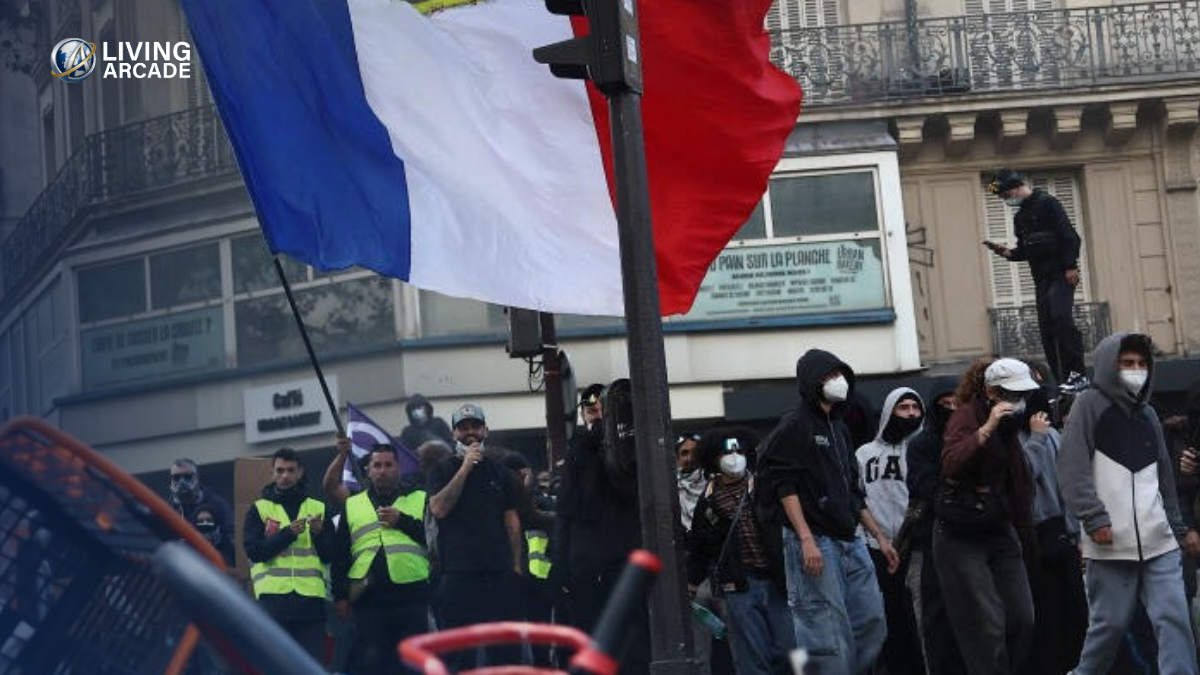
France’s cost-of-living protests turned violent on Saturday, October 17, 2026, after hundreds of thousands of people marched across the country. Most marchers stayed peaceful. However, masked groups later set fires, looted shops and attacked public buildings in several cities. As a result, police arrested nearly 2,400 people, according to the Interior Ministry. President Emmanuel Macron now promises a tough response.
Source: France 24, CBS News
How Big Were the France Cost of Living Protests?
The Interior Ministry counted 550,000 people at 110 demonstrations, including 110,000 in Paris. However, organisers claimed 800,000 people took part. The organisers include student groups and the CGT union. Official and union counts often differ, so both numbers are estimates.
Source: France 24, Connexion France
Why People Joined the France Protests
The movement began in mid-September, when high school students protested over school conditions. They pointed to underfunding, poor buildings and a shortage of teachers. Then trade unions and Yellow Vest activists joined them. As a result, the protests grew to cover high prices, wages, pensions, fuel costs and public services. At the same time, a public sector strike against the government’s budget plans took place.
Source: Al Jazeera, CBS12
Riots and Arson During the France Protests
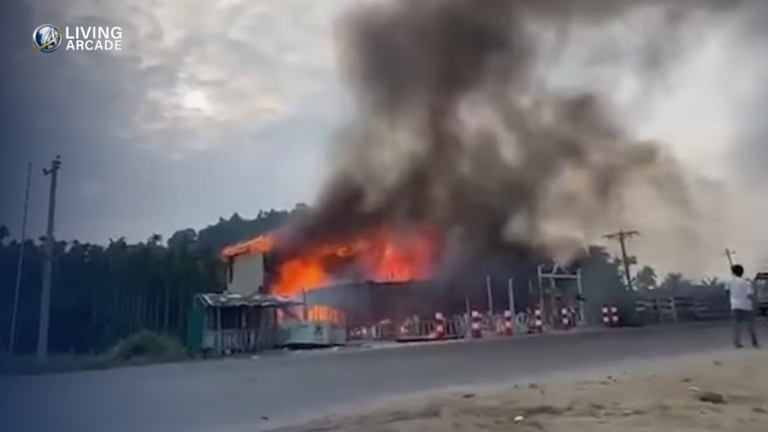
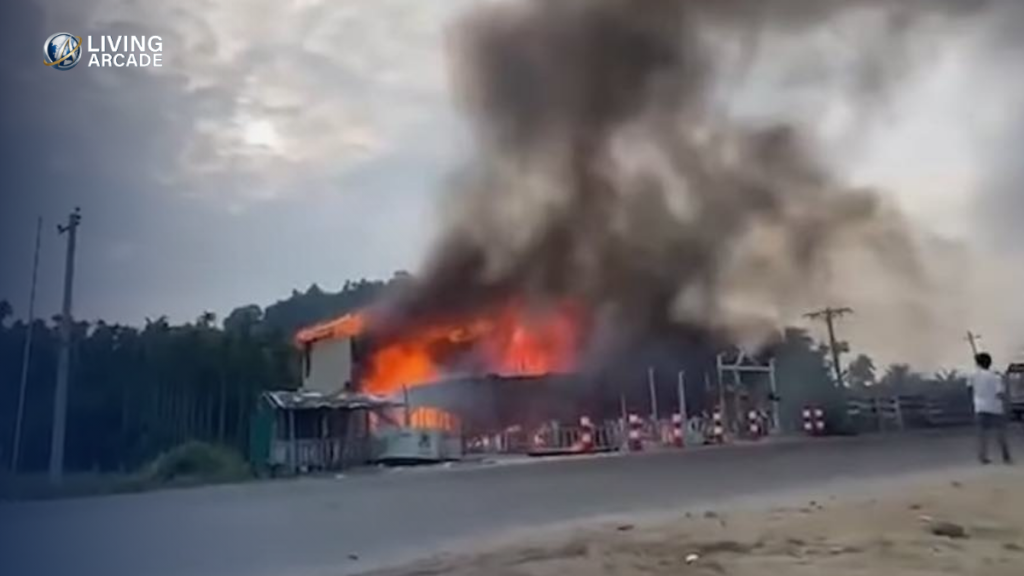
In Limoges, masked people set fire to the City Hall, a 19th-century building. The roof collapsed. Mayor Guillaume Guérin said the attack was clearly planned and that people inside feared for their lives. Meanwhile, protesters forced their way into Marseille’s city hall. In addition, a tourist office in Lyon burned. Paris also saw clashes and looting, and new fighting between police and protesters continued on Sunday.
Source: CNBC (citing Reuters), France 24
Arrests and Injuries After the Cost of Living Protests
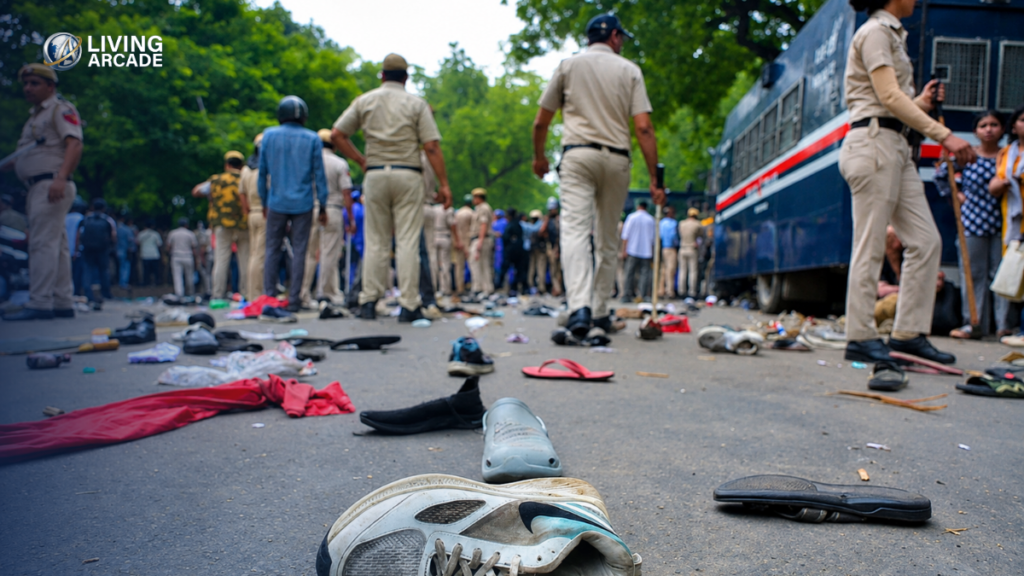
The ministry says police arrested 2,397 people on Saturday. Also, 997 police officers and gendarmes suffered injuries, and seven of them suffered serious injuries. In the Paris region alone, police made 855 arrests. In addition, one protester died of a heart attack in Paris, and prosecutors opened an investigation to find the cause. Earlier totals were lower, for example 1,800 arrests on Sunday morning, because the count kept rising.
Source: France 24, CBS News
Questions About Police Tactics
Police tactics are now under scrutiny. A 17-year-old lost a hand during the Paris protest. The police watchdog, the IGPN, is investigating. The interior minister said a gendarmerie grenade may have caused the injury. However, another report says the teenager picked up a stun grenade. Therefore, the cause is not settled. Meanwhile, the watchdog is also checking at least two dozen allegations of police violence.
Source: France 24, i24NEWS
Macron’s Response to the France Cost of Living Protests
Macron spoke to the nation on Sunday evening. He said nothing justifies the violence, and he also acknowledged public anger. However, he did not declare a state of emergency or a curfew. Instead, prefects and mayors can now ban certain gatherings to protect public buildings and shops. Macron also ordered a review of intelligence and police preparedness. In addition, he promised full transparency about the police response. He asked the government to bring together students, teachers, lawmakers, unions and business leaders this week to produce proposals.
Source: France 24, CNBC
Government leaders blame the far left and opportunistic looters for the violence. Prime Minister Sébastien Lecornu and Interior Minister Laurent Nuñez made these claims, and they are the government’s view, not a confirmed finding.
Source: i24NEWS, France 24
Government Concessions and the Budget Vote
The government has already offered some concessions. For example, it plans to send 3,000 more substitute teachers to schools, involve students in school decisions and drop a planned rise in some university fees. Still, Nuñez has signalled limits to further concessions. Meanwhile, a key budget vote is coming, so pressure on the government is high.
Source: CBS12, CNBC
What Comes Next After the France Protests
The crisis comes about six months before France votes for a new president in April 2027. That timing adds political pressure. Readers should watch three things: local protest bans, this week’s talks with unions and students, and the budget vote. Meanwhile, anyone planning to travel to France should check official travel advice from their own government and follow local news.
Source: CBS12, CNBC
FAQs
Q1. How many people joined the France cost of living protests?
Answer: The Interior Ministry counted 550,000 people. Organisers claimed 800,000.
Q2. How many people did police arrest?
Answer: The ministry reported 2,397 arrests on Saturday, October 17.
Q3. Did France declare a state of emergency?
Answer: No. Macron did not declare a state of emergency or a curfew. However, local authorities can now ban certain gatherings.
Q4. Why are people protesting in France?
Answer: The protests began with students angry about school conditions. Later, unions and Yellow Vest activists joined over living costs, wages and public services.
Q5. When is the next French presidential election?
Answer: France is due to elect a new president in April 2027.