![Picture of Mahibur Fakir [Hillol]](https://secure.gravatar.com/avatar/5d35a11815be0a5f73b6180975d1521fdd7694c880473d8ad5c74749dce26bd6?s=96&d=mm&r=g)
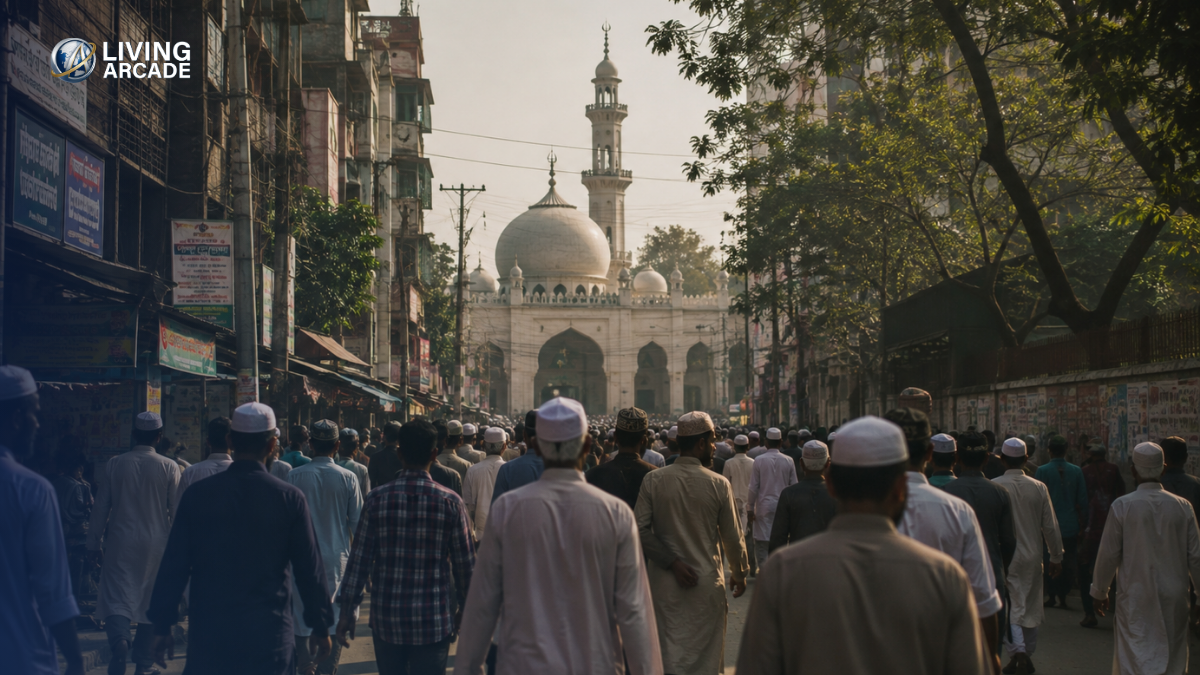
The topic of religious extremism in Bangladesh is back in national and international debate in 2026. Some reports warn of a rising threat, while others say the danger is being overstated for political reasons. The honest answer sits in the middle. This report sticks to verified facts and clearly separates what is confirmed from what is only claimed.
What the data actually shows
First, the big picture. On the 2026 Global Terrorism Index, Bangladesh ranks around 42nd in the world, with a low score placing it in a better (safer) position than many Western countries and well ahead of its neighbours India and Myanmar. Importantly, the country has not seen a major terrorist attack in recent years. So the claim that Bangladesh is a hotbed of active terrorism is not supported by the attack record.
That is the essential context often missing from the louder headlines.
The real warnings that did happen
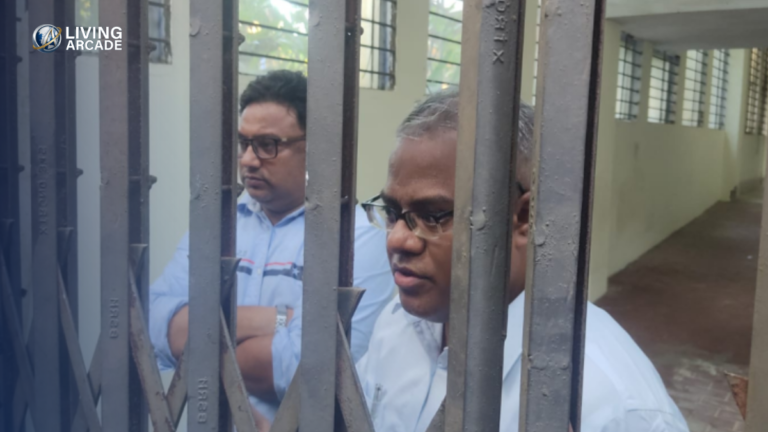
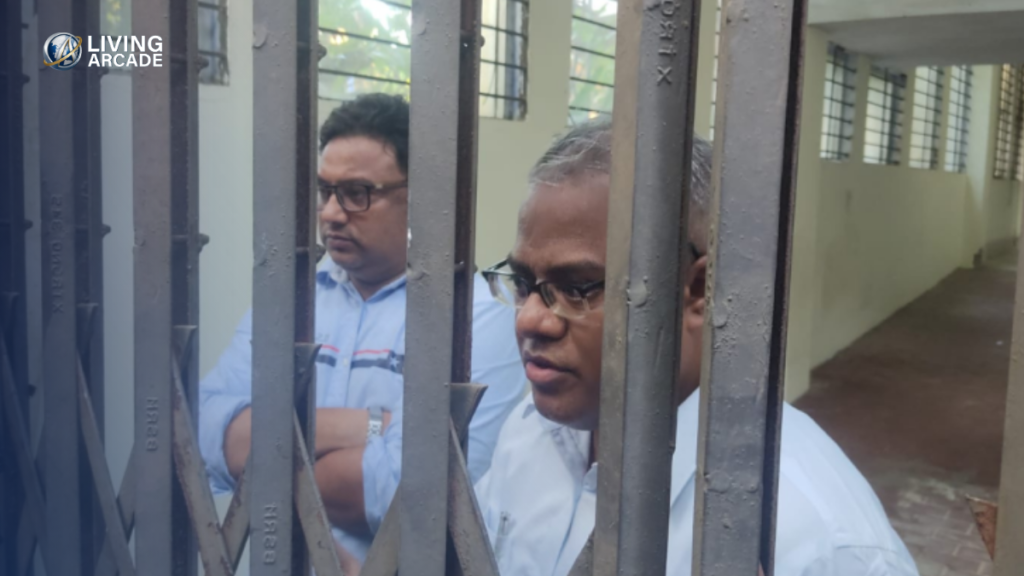
At the same time, ignoring the problem would also be wrong. There have been genuine security concerns in 2026. As The Diplomat reported, on 23 April 2026 the Police Headquarters issued a confidential alert warning of possible extremist attacks on parliament, mosques and other sites. It followed the arrest of a suspect and two dismissed army personnel linked to banned outfits.
There were also worrying signs of cross-border recruitment. Reports pointed to a Bangladesh Air Force officer traced to a hideout of the Pakistani group Tehreek-e-Taliban Pakistan (TTP), and to two young Bangladeshis reportedly killed fighting abroad. Notably, the TTP itself stated in April 2026 denying any presence or network inside Bangladesh. These cases are serious, but they point to small numbers and online or foreign-linked recruitment, not a mass domestic movement.
Fundamentalism versus terrorism: an important line
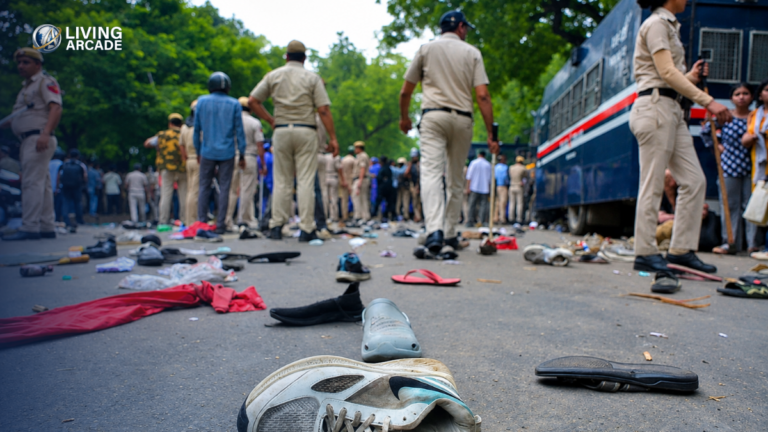
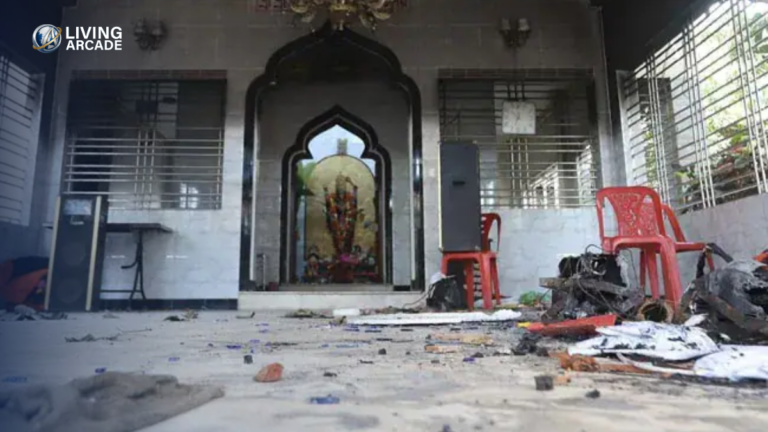
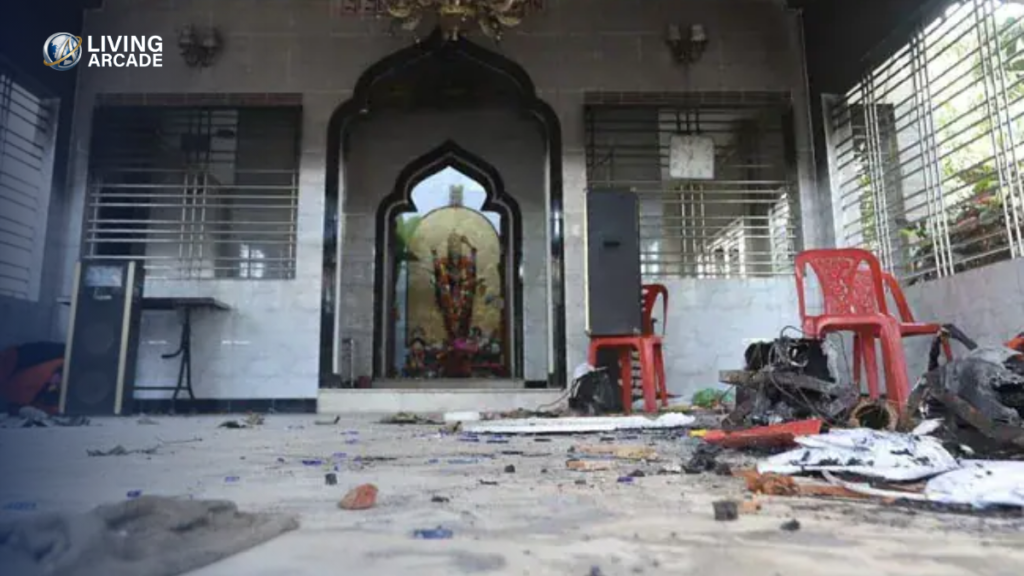
A big part of the confusion around religious extremism in Bangladesh is mixing two different things. Hardline religious politics is not the same as terrorism. Groups such as Hefazat-e-Islam are influential and conservative but operate as a political and social force, not an armed one. Banned organisations like Hizb ut-Tahrir are a different case; security analysts at RSIS say the group keeps trying to recruit young people online despite being outlawed. Confirmed violence in this period has been more about mob attacks and intolerance toward minorities than organised bombings.
Denial and exaggeration: the political trap
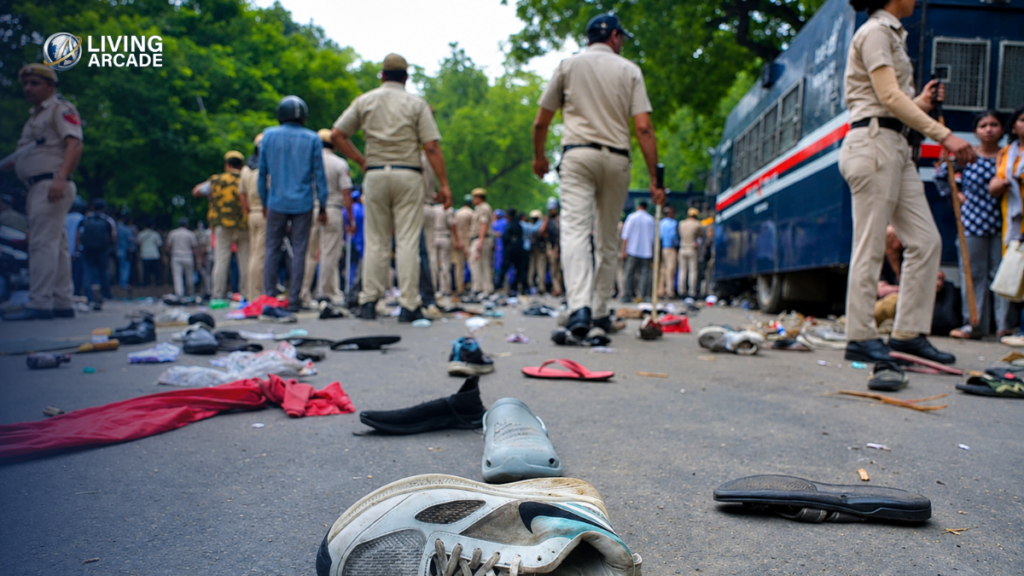
Analysts warn of two opposite dangers. One is denial, brushing off quiet activity like online recruitment and fundraising. The other is exaggeration, inflating the militant threat for political gain, something several observers say some foreign media did after the 2024 uprising. Both distort the truth. The interim government and now the new BNP-led government have both faced criticism from opponents who say they are too soft on extremists, while the governments insist security is a top priority.
Where things really stand
So what is the current reality of religious extremism in Bangladesh? The country is not under active mass terror attack, and its global ranking remains low. But real risks exist at the edges: banned groups recruiting online, isolated foreign-linked cases, and rising social intolerance. The right response, experts say, is calm, fact-based vigilance rather than panic or denial. For more, see our Bangladesh news and national security sections.
![Picture of Mahibur Fakir [Hillol]](https://secure.gravatar.com/avatar/5d35a11815be0a5f73b6180975d1521fdd7694c880473d8ad5c74749dce26bd6?s=176&d=mm&r=g)