![Picture of Mahibur Fakir [Hillol]](https://secure.gravatar.com/avatar/5d35a11815be0a5f73b6180975d1521fdd7694c880473d8ad5c74749dce26bd6?s=96&d=mm&r=g)
Jamaat-e-Islami 2026 and Bangladesh’s Election
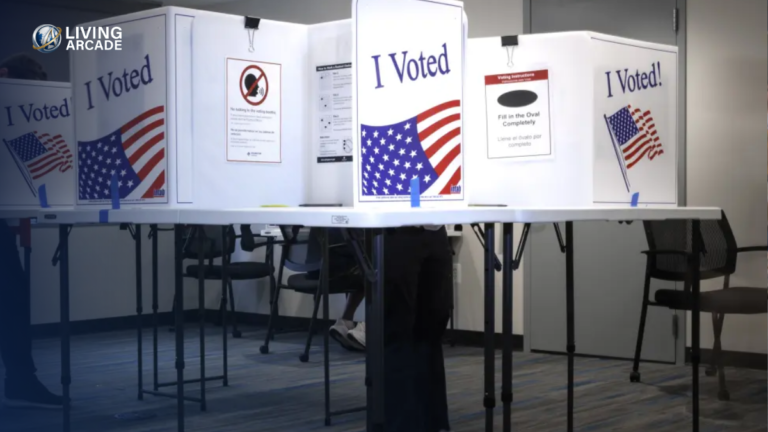
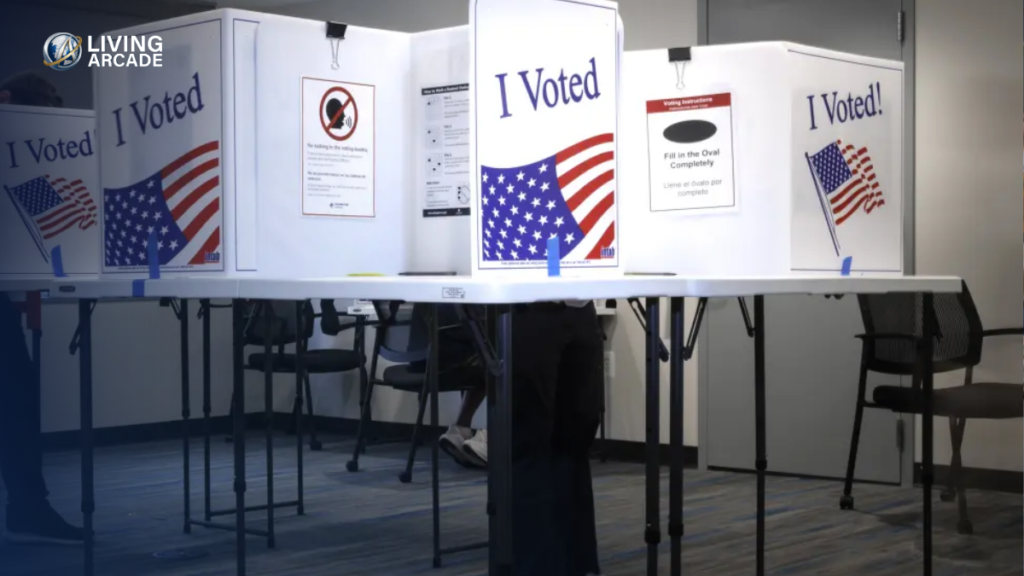
On 12 February 2026, Bangladesh voted for the first time since the July Uprising ended fifteen years of Awami League rule. The Jamaat-e-Islami 2026 election result became one of the biggest surprises of the vote.
Most people expected the Bangladesh Nationalist Party to win. It did, and by more than anyone predicted. The BNP won 209 of the 299 seats contested. That gave it a two thirds majority. It also swept districts that had supported the Awami League for a generation. Tarique Rahman won both seats he contested.
That was the main headline. However, another number surprised analysts.
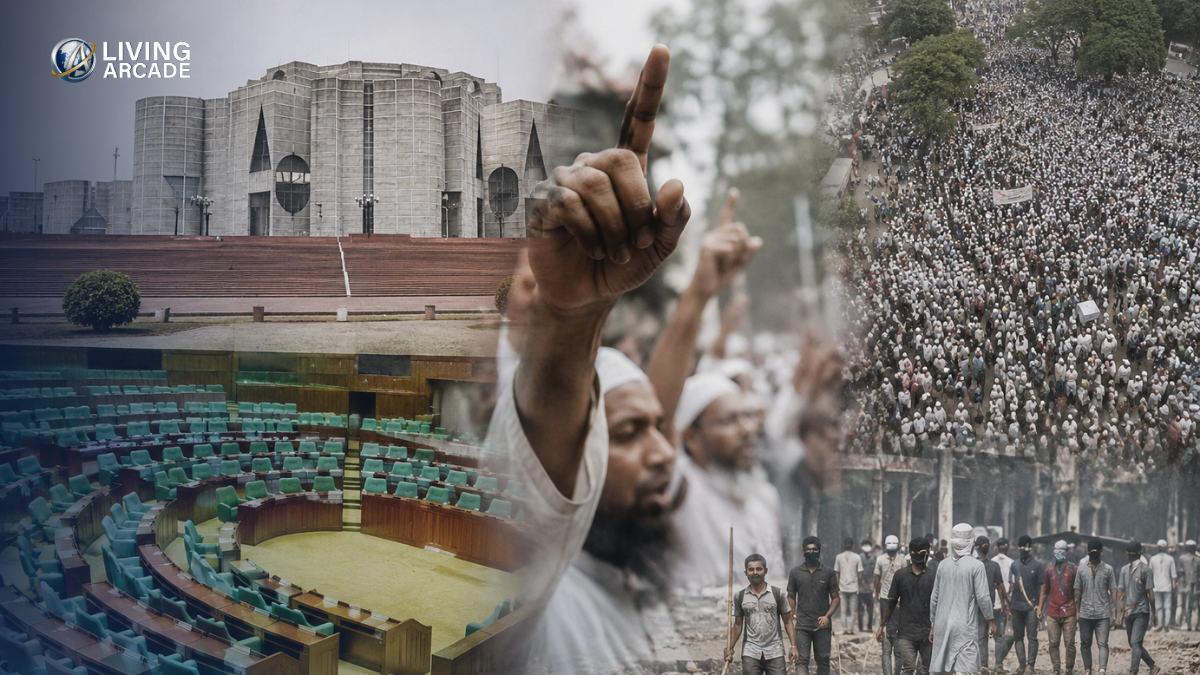
Bangladesh Jamaat-e-Islami won 68 seats. Its wider alliance won 77. As a result, Jamaat became the official opposition in the Jatiya Sangsad.
To understand why that number matters, you need to look at where the party stood three years ago.
Where Jamaat Stood in 2023
Cancelled. Prosecuted. Effectively finished.
Jamaat lost its electoral registration in 2013. Its senior leaders faced war crimes trials over 1971, and several were executed. For more than a decade, the party could not take part in electoral politics.
Then, in 2024, the outgoing Awami League government banned Jamaat outright.
Before the 2026 election, Jamaat’s best parliamentary result dated back to 1991. The party had won 18 seats.
This time, it won 68.
That is close to four times its previous best result.
How the Jamaat-e-Islami 2026 Comeback Happened
There is no single reason for the comeback. Instead, about five factors came together.
The Ban Was Lifted
First, the ban was lifted.
After the July Uprising, the interim government restored Jamaat’s registration and removed the ban. A party that cannot contest an election cannot win seats. Suddenly, Jamaat could compete again.
The Awami League Was Not on the Ballot
Second, the Awami League did not take part in the election.
The country’s largest secular party was banned and did not contest. Therefore, millions of voters who had never voted for Jamaat had to choose between the BNP, Jamaat, or nobody.
That changed the political field.
The Student Vote Moved
Third, the student vote moved.
Jamaat’s student wing swept university union elections. That mattered because these students were not part of a rural madrasa constituency. They came from an urban and educated group, and many were young.
As a result, Jamaat gained a connection with a new generation of voters.
Jamaat Allied With the Uprising Generation
Fourth, Jamaat allied with the uprising generation.
The National Citizen Party, formed by student leaders of the 2024 movement, contested 32 seats within the Jamaat-led alliance. It won six.
That partnership gave Jamaat something it had never had before: an association with 2024 rather than 1971.
The Party Changed Its Message
Finally, Jamaat changed how it talks.
In recent years, the party has presented itself as more centrist and focused on welfare. It has also run charity programmes and softened some of its public language.
Many voters still question that change. However, it was a deliberate strategy, and it helped move votes.
The Number That Gets Forgotten
This is where much of the international coverage went wrong.
Jamaat won 68 seats. BNP won 209.
If February 2026 was a religious wave, it was a wave that lost by 141 seats.
Voters had a clear choice between a centre-right nationalist party and a religious party. They chose the first by a very large margin.
Turnout was just under 60 percent. At the same time, the constitutional referendum held on the same day passed comfortably.
Professor A-Al Mamun of Rajshahi University put it bluntly at the time. He said voters had delivered a hard rejection of religious extremism.
Both things are true at once.
Jamaat achieved its best result in history. However, Jamaat also lost badly. Therefore, any article that reports only one side of the result is missing an important part of the story.
Why Are People Still Worried?
The concern goes beyond parliamentary seats.
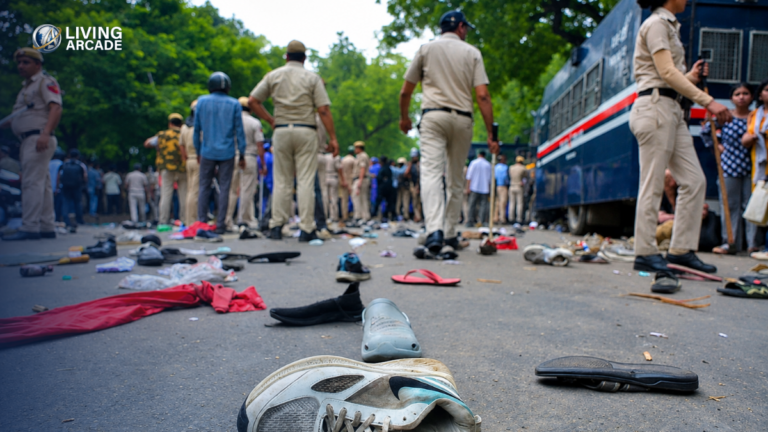
Parliament is not the only source of political power. In fact, much of the pressure that has changed daily life in Bangladesh since 2024 has come from the streets rather than parliament.
Hefazat-e-Islam
Hefazat-e-Islam is a network of Qawmi madrasa teachers and students rather than a political party.
In May 2025, around 20,000 people gathered at Suhrawardy Udyan. The group presented a 12-point list of demands.
Those demands included abolishing the Women’s Affairs Reform Commission, introducing a blasphemy law with the highest penalty, and restoring the constitutional declaration of complete trust in Allah.
The group did not need to win parliamentary seats to put pressure on the state.
Hizb ut-Tahrir
Meanwhile, Hizb ut-Tahrir held a rally in Dhaka in March 2025.
The group has been banned since 2009. More than 2,000 people attended the rally.
Researchers at Singapore’s RSIS estimate that the group now has between 10,000 and 15,000 members in Bangladesh. They also estimate that the group has expanded recruitment from universities into schools and colleges.
The Unnamed Crowds
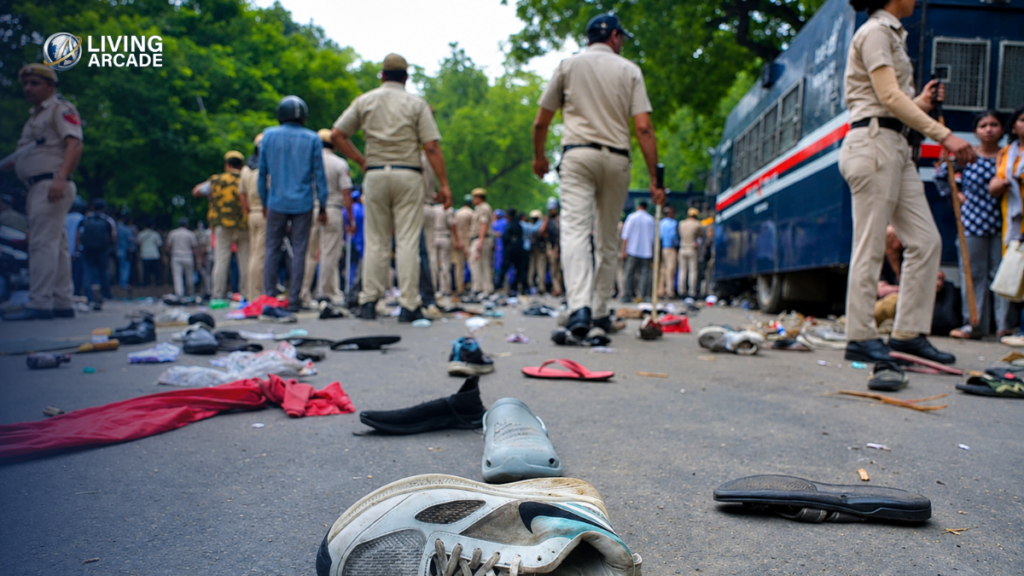
Then there are the crowds that have no name, no office and no clear leadership.
None of these groups needed to win a seat.
Instead, they needed the state to hesitate. For a long stretch, it did.
That is why the number of parliamentary seats does not tell the whole story.
What Jamaat Says It Wants
Jamaat’s own position is that its 77-seat alliance result is a foundation rather than a finish.
Its ameer, Shafiqur Rahman, is now the leader of the opposition.
Jamaat’s constitution includes the implementation of Sharia. However, the party says its vision has moved away from the totalitarian Islamic state model linked to Maududi.
Instead, the party says it now supports a welfare economy and democratic participation.
Critics, however, point to inconsistencies in the party’s positions on women and religious law. They also argue that Jamaat’s record during 1971 remains unresolved rather than settled.
Voters will judge that.
That is what an opposition is for.
What to Watch After Jamaat-e-Islami 2026
Three things will show where the country is going next.
Will Jamaat Legislate or Agitate?
First, will Jamaat legislate or agitate?
An opposition party that files bills and loses votes is behaving like an opposition party. On the other hand, a party that calls supporters onto the streets when it loses is doing something different.
Therefore, Jamaat’s actions inside and outside parliament will matter.
Will the BNP Hold Its Line?
Second, will the BNP hold its line?
The governing party has publicly said that it does not believe in fundamentalism. It has also said it supports equal rights regardless of religion.
However, it has already made cultural concessions. These include changes around the naming of the Bengali New Year procession in April 2026.
As a result, where the BNP draws the line will matter more than what it says.
Will Anyone Be Prosecuted?
Third, will anyone be prosecuted?
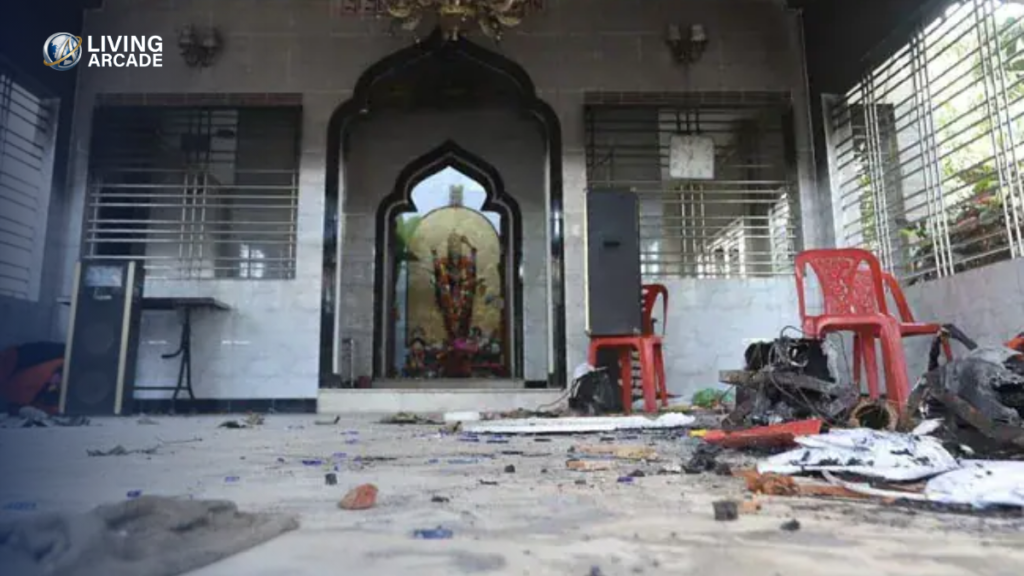
There have been shrine attacks, cancelled festivals and mob incidents. Yet the record of arrests and convictions remains thin.
If that continues, the seat count could become less important.
Instead, the message could be that a crowd can do what a parliament cannot.
The Bigger Question for Bangladesh
The Jamaat-e-Islami 2026 result shows two things at the same time.
Jamaat has achieved its strongest parliamentary result in history. Yet the BNP still won far more seats and remains the dominant political force.
At the same time, political pressure does not come only through elections. Street movements, organised groups and public pressure can also shape daily life.
Therefore, the next phase of Bangladesh’s politics will depend on more than Jamaat’s 68 seats.
It will depend on what Jamaat does as the opposition, how the BNP responds to pressure, and whether the state enforces the law when political and religious groups take their demands to the streets.
For background on how this moment was built, read our reporting on religious extremism in Bangladesh and our explainer on the difference between fundamentalism and Islam.
We have also covered Jamaat’s expulsion of Gazi Nazrul, the confirmed presidential resignation, and ongoing developments in our national politics section.
Frequently Asked Questions About Jamaat-e-Islami 2026
Q: How many seats did Jamaat-e-Islami win in 2026?
A: Jamaat won 68 seats out of 297 declared constituencies. Its wider alliance, including the National Citizen Party, took 77. It is now the official opposition.
Q: Who won the Bangladesh 2026 election?
A: The BNP, led by Tarique Rahman, won a landslide with 209 seats, a two thirds parliamentary majority.
Q: Why was Jamaat-e-Islami banned?
A: Its registration was cancelled in 2013 and it was banned in 2024. Senior leaders had been prosecuted over war crimes committed during the 1971 Liberation War, and several were executed.
Q: Does Jamaat’s result mean Bangladesh is becoming an Islamist country?
A: The evidence is mixed. Jamaat had its strongest ever result, but lost to the BNP by 141 seats. Analysts say street level pressure from unelected groups has changed daily life more than parliamentary results have.
![Picture of Mahibur Fakir [Hillol]](https://secure.gravatar.com/avatar/5d35a11815be0a5f73b6180975d1521fdd7694c880473d8ad5c74749dce26bd6?s=176&d=mm&r=g)