![Picture of Mahibur Fakir [Hillol]](https://secure.gravatar.com/avatar/5d35a11815be0a5f73b6180975d1521fdd7694c880473d8ad5c74749dce26bd6?s=96&d=mm&r=g)
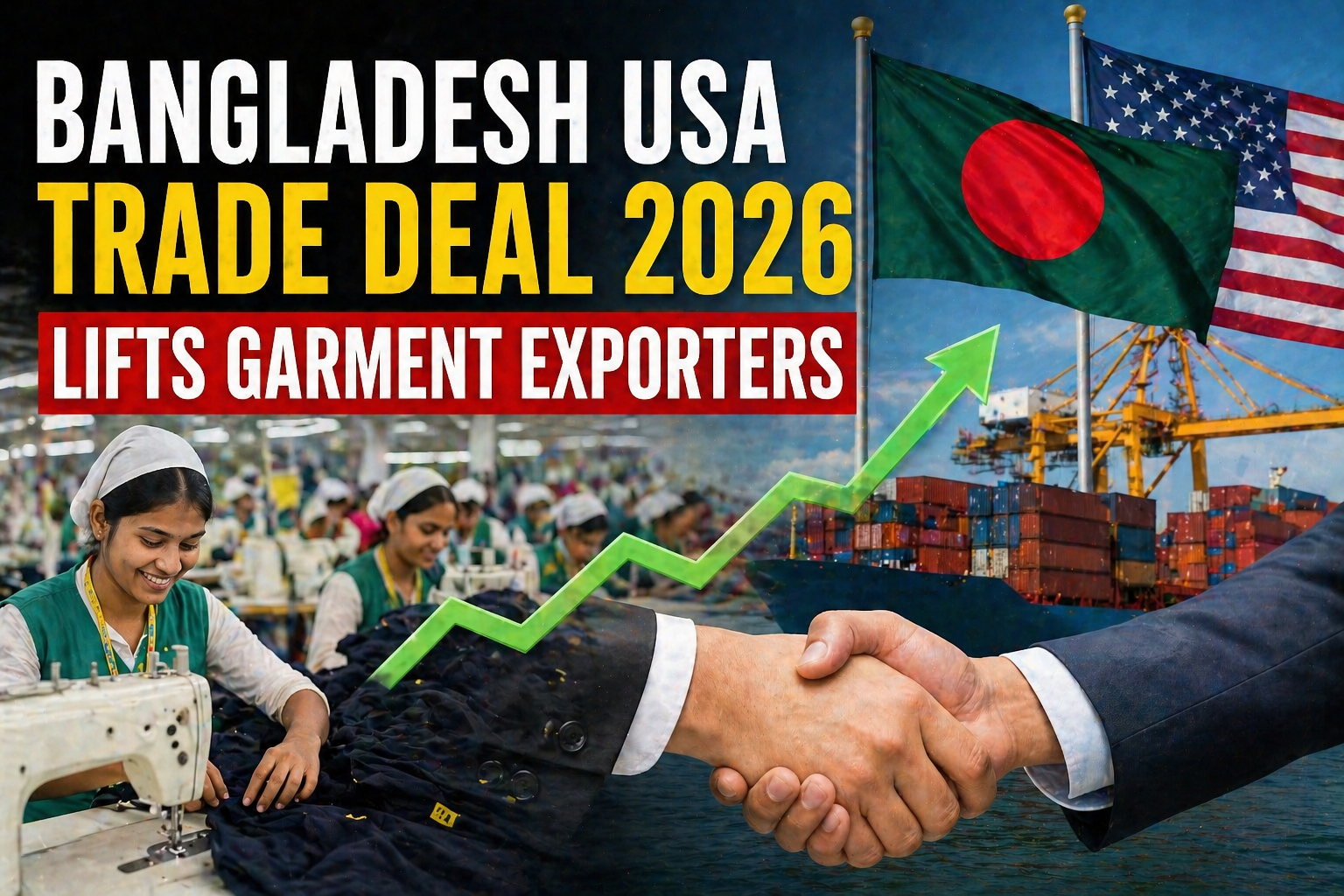
Bangladesh USA Trade Deal 2026 Puts Bangladesh Ahead of China in US Apparel Market
Dhaka and Washington | April 28, 2026 | Living Arcade
The Bangladesh USA trade deal 2026 has changed the game for the country’s garment industry. Bangladesh now ranks as the second-largest clothing supplier to the United States, overtaking China for the first time. This is a historic shift. It affects millions of workers, thousands of factories, and the entire Bangladeshi diaspora community living and shopping in America.
What the Bangladesh USA Trade Deal 2026 Actually Says
The United States and Bangladesh signed the Agreement on Reciprocal Trade on February 9, 2026. The deal sets a 19% tariff rate on Bangladeshi goods entering the United States. That is a major improvement from the 37% rate that President Trump originally proposed in April 2025.
The deal also creates a mechanism for certain textile and apparel goods from Bangladesh to receive a zero tariff rate. This applies to garments made using US-origin materials such as American cotton.
The deal covers much more than tariffs. Bangladesh commits to buying approximately $3.5 billion worth of US agricultural products, including wheat, soy, cotton, and corn. Bangladesh also commits to purchasing $15 billion worth of US energy products over 15 years.
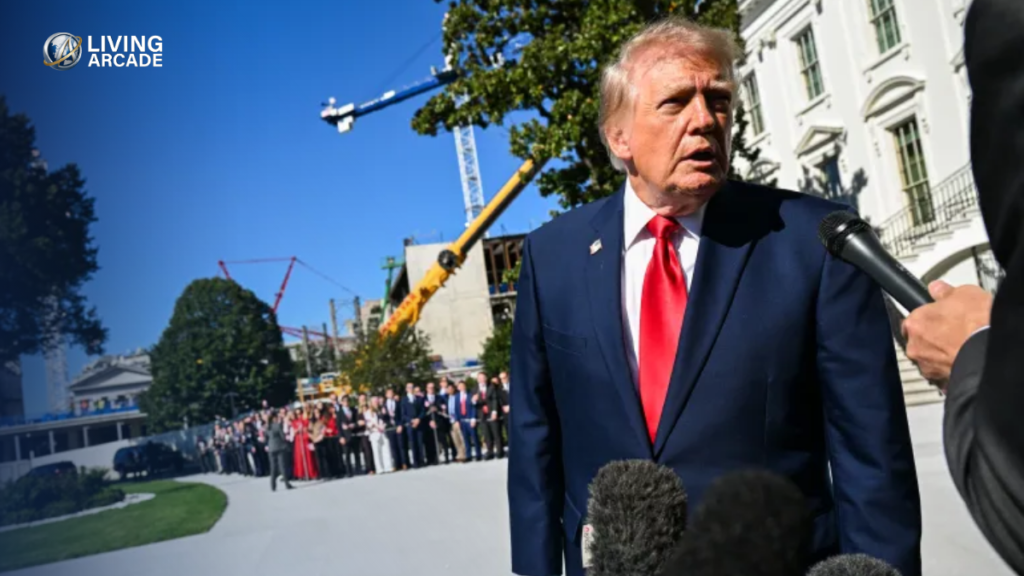
President Donald Trump announced the deal as one that gives American exporters access to Bangladesh’s market of 175 million people. For Bangladesh, it keeps the door open to the United States, which is the country’s single largest export destination.
Bangladesh Overtakes China: What the Numbers Show
The Bangladesh USA trade deal 2026 comes at a moment of major market shift. Bangladesh exported garments worth $1.37 billion to the US in January and February 2026. That moved Bangladesh into second place among all apparel exporters to the United States.
Chinese garment exports to the US fell to $1.17 billion in the same period. That is a drop of 57.65% from $2.77 billion a year earlier. US tariffs on Chinese goods drove buyers away from China and toward Bangladesh.
The long-term trend is just as strong. In 2025, Bangladesh’s garment exports to the US reached $8.20 billion. That is an increase of 11.75% from $7.34 billion in 2024.
This is what the Bangladesh USA trade deal 2026 is designed to protect. The deal locks in a competitive tariff rate that keeps Bangladeshi factories attractive to American buyers who are moving away from China.
What This Means for the Bangladesh Diaspora in America
The Bangladesh USA trade deal 2026 connects directly to the lives of Bangladeshi-Americans. Many members of the diaspora work in retail, fashion, and logistics across the United States. Others send remittances home to families who depend on garment industry wages.
The garment sector directly employs close to four million people in Bangladesh. Over 57% of those workers are women. When US brands place more orders with Bangladeshi factories, those four million workers earn wages. Those wages reach families across Dhaka, Chittagong, Narayanganj, and every garment district in the country.
Every shirt, jacket, or pair of trousers that an American buys at a mall or online store often starts in a Bangladeshi factory. The Bangladesh USA trade deal 2026 makes that connection stronger and more stable.
Why Zero-Duty Access for Garments Is a Big Deal
The zero-tariff mechanism in the Bangladesh USA trade deal 2026 is not automatic. It requires factories to use US-origin raw materials such as American cotton. This is a key condition.
The Bangladesh Garment Manufacturers and Exporters Association welcomed the deal. BGMEA said the agreement would help increase garment exports to the US. BGMEA called for proper valuation and traceability of US-origin materials used in production to make full use of the opportunity.
BGMEA noted that US cotton is of superior quality but relatively higher cost. Significant export opportunities exist if local spinners can ensure competitive yarn pricing.
Factories that can build US cotton into their supply chains will gain a major cost advantage over competitors from Vietnam, India, and other countries facing higher tariff rates.
Bangladesh Commits to Workers and Environment
The Bangladesh USA trade deal 2026 also carries important commitments on labor and environment. Bangladesh commits to protect internationally recognised labor rights. This includes adopting a prohibition on goods produced by forced labor, amending labor laws to protect freedom of association and collective bargaining, and strengthening enforcement of existing laws.
Bangladesh also commits to adopt and maintain high levels of environmental protection and effectively enforce its environmental laws.
These are not just legal promises. They build the credibility that Bangladeshi factories need to keep attracting orders from major US retail brands. Bangladesh now has the highest number of LEED-certified green garment factories in the world, with over 268 certified plants. That sustainability record is a major selling point for American buyers who face consumer pressure on ethical sourcing.
How US Agriculture Benefits and What Bangladesh Gets in Return
The Bangladesh USA trade deal 2026 is not one-sided. It creates real trade flows in both directions.
Bangladesh opens preferential market access for US industrial and agricultural goods. This includes chemicals, medical devices, machinery, motor vehicles, ICT equipment, energy products, soy, dairy, beef, poultry, and fruit.
American farmers gain a new customer. American energy companies gain long-term contracts worth $15 billion over 15 years. American aircraft manufacturers gain orders from Bangladesh. The deal also noted the procurement of aircraft as part of the commercial package between the two countries.
For Bangladesh, the deal keeps garment factories competitive, supports the taka through stable export revenue, and positions the country as a strategic economic partner of the United States.
What Economists Say About the Deal
Not everyone views the Bangladesh USA trade deal 2026 without reservation. The Centre for Policy Dialogue estimated Bangladesh could lose about Tk 1,327 crore per year in import tax revenue by granting preferential access to more than 6,700 US goods under the agreement.
Some economists also noted that purchasing commitments on US goods could raise public spending if American imports cost more than alternatives. These are real concerns that policymakers need to manage carefully as implementation begins.
At the same time, the broader picture is clear. Bangladesh needed to reduce the tariff threat on its garment exports. The Bangladesh USA trade deal 2026 achieved that goal. A 19% tariff rate allows Bangladeshi factories to compete. The zero-duty pathway for US cotton-based garments creates an additional advantage.
The Road Ahead for Bangladesh and the USA
Industry leaders warn that Bangladesh’s rise to second place in the US apparel market is fragile. External shocks from energy costs, global demand softness, and trade policy uncertainty continue to weigh on the sector.
The domestic energy crisis makes the challenge harder. Factories lose electricity for hours every day. Production costs rise. But the Bangladesh USA trade deal 2026 gives the country a stable platform to compete.
Bangladesh and the United States now share a deeper economic relationship than ever before. That relationship connects American consumers to Bangladeshi workers. It connects the diaspora community on both sides of the Pacific. It connects the future of millions of families in Bangladesh to the decisions made in Washington, New York, and in the shopping habits of everyday Americans.
![Picture of Mahibur Fakir [Hillol]](https://secure.gravatar.com/avatar/5d35a11815be0a5f73b6180975d1521fdd7694c880473d8ad5c74749dce26bd6?s=176&d=mm&r=g)