![Picture of Mahibur Fakir [Hillol]](https://secure.gravatar.com/avatar/5d35a11815be0a5f73b6180975d1521fdd7694c880473d8ad5c74749dce26bd6?s=96&d=mm&r=g)
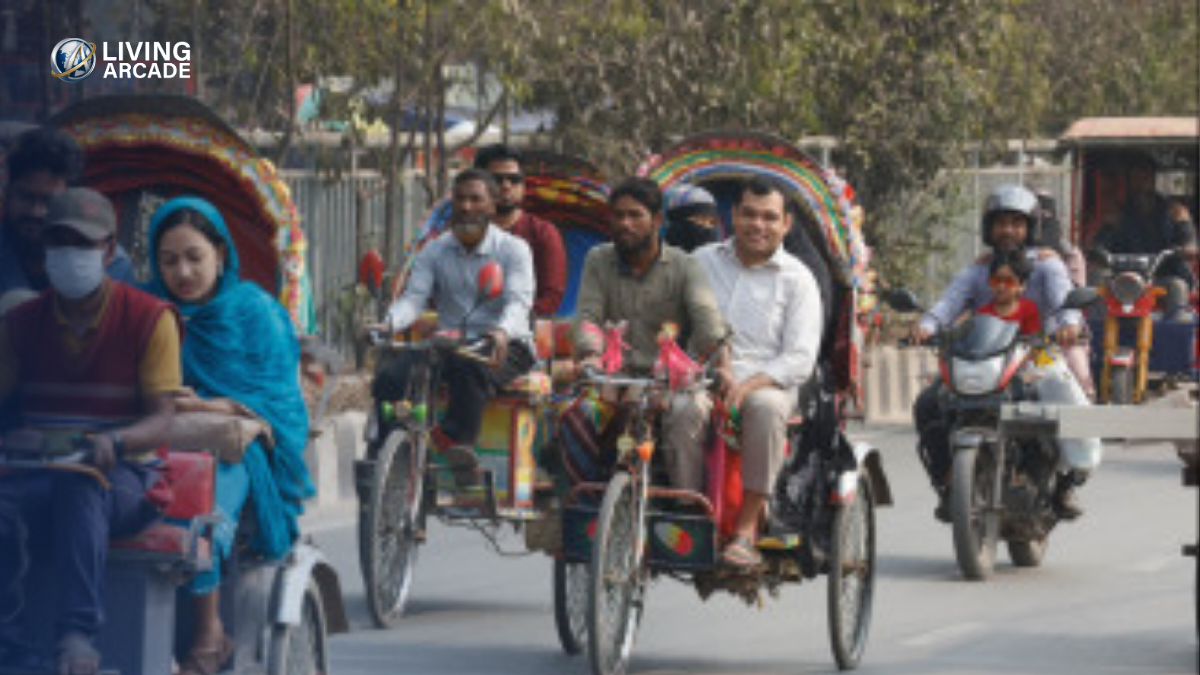
The Dhaka battery rickshaw problem has become one of the city’s most heated debates. Many residents blame the drivers of battery-run autorickshaws, locally nicknamed “Tesla,” for traffic jams, rule-breaking, and accidents. Yet a growing body of official data suggests the drivers are only the most visible part of a much bigger issue.
A recent opinion column in The Daily Star by writer Dipa Das argues that banning drivers will not fix the roads. Instead, she points to rising living costs, weak job growth, and unregulated vehicle suppliers as the real drivers of the trend.
Source: The Daily Star opinion column by Dipa Das (September 2026)
How Big Is the Dhaka Battery Rickshaw Problem?
The numbers are large. The government estimates that 50 lakh to 80 lakh battery-run three-wheelers now operate across Bangladesh. The Bangladesh Road Transport Authority (BRTA) puts the figure above 60 lakh, including 10 to 12 lakh in Dhaka alone.
Source: The Business Standard; Home Minister’s statement in parliament
These vehicles also put heavy pressure on the power grid. On September 7, 2026, Home Minister Salahuddin Ahmed told parliament that illegal charging costs the government nearly Tk 4,000 crore in lost revenue every year. According to government estimates, Dhaka has only around 3,300 legal charging points, compared with more than 48,000 informal or illegal ones.
Source: BSS; Dhaka Tribune
Road safety is another concern. The minister also said Bangladesh recorded 6,729 road accidents in 2025, with 14,812 people injured. Battery-run autorickshaws made up 13.54 percent of the vehicles involved in those accidents.
Source: BSS; Dhaka Tribune
A Driver’s Story Behind the Numbers
To understand why people take up this work, the columnist spoke with drivers during rides across Dhaka. One driver said he came from Dimla, in the country’s north, about a month earlier. He described himself as a farmer who owns a proper house and is not from a very poor family.
He explained that he pays Tk 500 a day to rent the vehicle. The supplier also gives him a place to stay. After meals and rent, he said he saves around Tk 1,500 a day. He has two children back home, and both attend school.
Source: The Daily Star opinion column by Dipa Das
In other words, even families with land and a home now look to the city for extra income. As a result, short-term migration into this work continues.
Rising Prices and Youth Unemployment
Official data helps explain this pressure. Average inflation in Bangladesh stood at 8.68 percent in the 2025-26 fiscal year, according to the Bangladesh Bureau of Statistics (BBS). That figure stayed well above the government’s 7 percent target. Meanwhile, average non-food inflation reached 9.20 percent, which covers costs such as housing, transport, and healthcare.
Source: BBS data, reported by The Daily Star and Bangladesh Bank
Jobs are also a concern. The BBS Labour Force Survey 2023 found that about 19.4 lakh young people aged 15 to 29 were unemployed. The youth unemployment rate stood at 7.3 percent nationally and 10.5 percent in urban areas. In addition, young people made up nearly 79 percent of all unemployed people in the country.
Source: BBS Labour Force Survey 2023, reported by The Business Standard
Who Profits From the Battery Rickshaw System?
The columnist argues that the real winners sit higher up the chain. Rickshaw and battery suppliers lease out cheap vehicles and basic lodging to a steady flow of seasonal migrants. She claims many of these suppliers enjoy political protection and operate largely outside regulation. However, these claims reflect the writer’s analysis and have not been independently confirmed.
Source: The Daily Star opinion column by Dipa Das
She also notes that Bangladesh has no unemployment insurance or support scheme to cover the gap between harvests. So, the informal economy fills that space. For many workers, the deal is not fair, but it is available.
Source: The Daily Star opinion column by Dipa Das
Why Bans on Battery Rickshaws Keep Failing
According to the column, courts have ordered bans in the past. Drivers then protested within days, and the vehicles soon returned. The writer argues this cycle shows the problem is not weak enforcement alone. Instead, she says nobody has addressed why the supply of untrained drivers never stops.
Source: The Daily Star opinion column by Dipa Das
What the Government Plans Next
The government now says it will bring battery-run autorickshaws under registration. Under the proposed rules, vehicles must follow BRTA-approved designs. In addition, only parts approved by the Bangladesh Standards and Testing Institution (BSTI) will be allowed.
Source: BSS
A 2026 amendment to the Local Government (City Corporation) Act also allows city corporations to register these vehicles and license their drivers. Authorities have also proposed dividing Dhaka into eight zones for easier enforcement.
Source: Dhaka Tribune
Still, not everyone agrees with the plan. The Rickshaw, Battery Rickshaw-Van and Easy Bike Sangram Parishad says it supports regulation. However, the group wants one unified system under BRTA covering registration, route permits, licences, training, and fitness checks.
Source: Dhaka Tribune
Possible Solutions to the Dhaka Battery Rickshaw Problem
The columnist suggests three steps. First, regulate the suppliers who profit from the informal system. Second, require safety and traffic training before anyone can lease a vehicle. Finally, invest in rural income opportunities so that working in Dhaka’s traffic stops being a necessity.
Source: The Daily Star opinion column by Dipa Das
FAQs
Q1. What is a “Tesla” rickshaw in Dhaka?
It is the local nickname for a battery-run autorickshaw. These vehicles use electric motors and batteries instead of pedal power.
Q2. How many battery rickshaws are there in Dhaka?
BRTA estimates that 10 to 12 lakh battery-run autorickshaws operate in Dhaka. Nationwide, government estimates range from 50 lakh to 80 lakh.
Q3. Why does illegal charging matter?
The Home Minister told parliament that illegal charging costs the government nearly Tk 4,000 crore in revenue each year. It also adds pressure to the power grid.
Q4. Will the government ban battery rickshaws in Dhaka?
The current plan focuses on registration, approved designs, driver licensing, and an eight-zone system, rather than a full ban. Details may still change.
Q5. Why do people keep becoming battery rickshaw drivers?
Rising prices, limited jobs for young people, and easy access to rented vehicles and lodging make the work attractive to many seasonal migrants.
![Picture of Mahibur Fakir [Hillol]](https://secure.gravatar.com/avatar/5d35a11815be0a5f73b6180975d1521fdd7694c880473d8ad5c74749dce26bd6?s=176&d=mm&r=g)