
![Picture of Mahibur Fakir [Hillol]](https://secure.gravatar.com/avatar/5d35a11815be0a5f73b6180975d1521fdd7694c880473d8ad5c74749dce26bd6?s=96&d=mm&r=g)
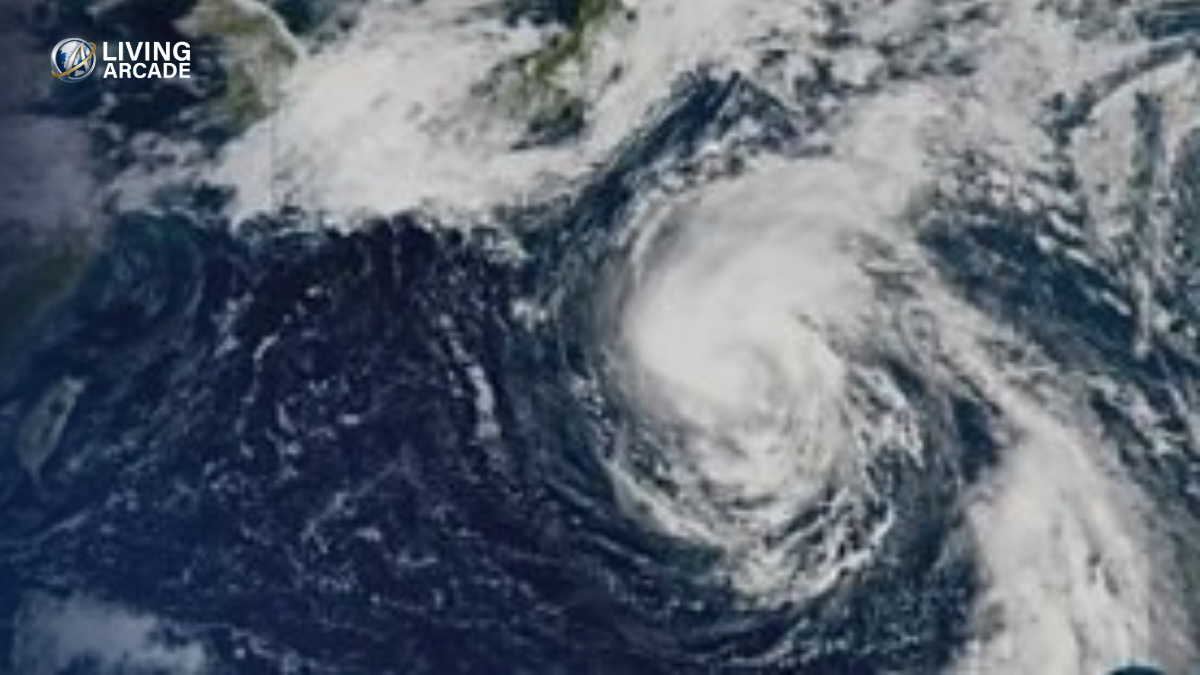
Tokyo, September 22, 2026: Typhoon Dujuan in Japan has now killed four people, and at least six others remain missing as of Tuesday morning. The storm brought record-breaking rain to eastern Japan, and as a result, landslides, floods and travel problems spread across the Tokyo region. The Japan Times
Although the storm is now moving away from the coast, officials say the danger from rain and landslides has not ended yet.
Typhoon Dujuan Japan Death Toll Rises
Most of the harm came from landslides. Police and firefighters are still searching in Kanagawa Prefecture, where several landslides struck homes on the Miura Peninsula on Monday, according to NHK. The Japan Times
Earlier on Monday, a woman in her 40s suffered minor injuries in Sodegaura, Chiba, after she drove into landslide debris. Meanwhile, in Yokosuka, Kanagawa, rescuers worked to reach a woman after a landslide struck her house and pushed mud inside. South China Morning PostSouth China Morning Post
In addition, Japan’s Fire and Disaster Management Agency reported damage to at least eight houses in Chiba. The agency also confirmed one death in Miyazaki Prefecture linked to the typhoon. A NewsThe Japan Times
Typhoon Dujuan Evacuation Advisories in Japan
More than 1.6 million people in and around Tokyo received evacuation advisories on Monday, according to the Fire and Disaster Management Agency. However, these advisories were not mandatory orders. Yahoo!Yahoo!
At the same time, the Japan Meteorological Agency (JMA) raised its warnings to the highest levels in some places. For example, it issued its top landslide special warning for parts of the Izu Islands, including Oshima. Other parts of the Kanto region received Level 4 warnings for heavy rain, landslides and flooding. The Japan TimesThe Japan Times
Understanding Japan’s Warning Levels
Japan uses a five-level alert system. Level 5 is the highest, and it means a disaster may already be happening. At Level 4, however, residents should already leave dangerous areas.
Takuya Hosomi, who heads the JMA’s forecasting division, warned that in Level 4 areas “a major disaster could occur at any time.” Therefore, he urged people to check the risk where they are and follow evacuation information from local governments. The Japan TimesThe Japan Times
Typhoon Dujuan Brings Record Rain to Japan
On Monday, the storm carried winds of about 144 kilometers per hour as it moved around 130 kilometers south of Katsuura, near Tokyo. As a result, thousands of households lost power. Al JazeeraAl Jazeera
Even before the storm arrived, the weather agency warned that total rainfall through Tuesday could pass the average for the whole month of September. Yahoo!
By early Tuesday, the storm had moved away from the coast and turned northeast toward the Aleutian Islands, with slightly weaker winds, the JMA said. Still, officials warned that rain could continue in warning areas as the typhoon moves north. Al JazeeraAl Jazeera
Flights, Trains and Events Disrupted
The storm arrived during Japan’s Silver Week holiday, when many people travel. Because of the weather, Japan Airlines cancelled 135 flights and All Nippon Airways cancelled 140 on Monday. Consequently, many passengers found themselves stuck at airports. The Japan TimesAl Jazeera
Railway operators in Tokyo and nearby regions also stopped services on some lines. Moreover, social media images showed flooded roads near Kamakura station, a popular tourist spot. Yahoo!Yahoo!
The storm also hit major events. For instance, the Tokyo Game Show, one of the world’s biggest video game fairs, closed early on its final day. Organizers also called off a large outdoor music festival and a baseball game in Chiba. Earlier storms had already disrupted some events at the Asian Games, which Japan is hosting. Flights scrapped, evacuations urged as Typhoon Dujuan wallops Japan +2
What Typhoon Dujuan Means for Residents in Japan
Tokyo and nearby prefectures have many international residents, students and workers, including members of the Bangladeshi community. So, people living in or traveling to these areas should follow updates from their local city office and the JMA.
Officials also advise city residents to watch for flooded roads. In addition, they urge people to avoid underground spaces, where water can collect and trap vehicles. The Japan Times
Travelers, meanwhile, should check with their airline or rail operator before they leave, because schedules may take time to return to normal.
What Happens Next
Rescue teams are still searching in Kanagawa, so the number of dead and missing may change. Furthermore, the soil in hilly areas remains soaked. For that reason, the risk of landslides can stay high even after the rain stops.
FAQs
Q1. How many people have died in Typhoon Dujuan in Japan?
As of Tuesday morning, four people were confirmed dead and at least six were missing, mostly after landslides near Tokyo.
Q2. Which areas of Japan were hit hardest by Typhoon Dujuan?
Tokyo and the nearby prefectures of Chiba, Kanagawa and Shizuoka were badly affected. Parts of the Izu Islands, including Oshima, received the highest landslide warning.
Q3. Were evacuations in Japan mandatory?
No. More than 1.6 million people were urged to evacuate, but these were advisories, not mandatory orders.
Q4. Is Typhoon Dujuan still a threat to Tokyo?
The storm moved out to sea on Tuesday, but officials warned that rain and landslide risks could continue in some areas.
![Picture of Mahibur Fakir [Hillol]](https://secure.gravatar.com/avatar/5d35a11815be0a5f73b6180975d1521fdd7694c880473d8ad5c74749dce26bd6?s=176&d=mm&r=g)