![Picture of Mahibur Fakir [Hillol]](https://secure.gravatar.com/avatar/5d35a11815be0a5f73b6180975d1521fdd7694c880473d8ad5c74749dce26bd6?s=96&d=mm&r=g)
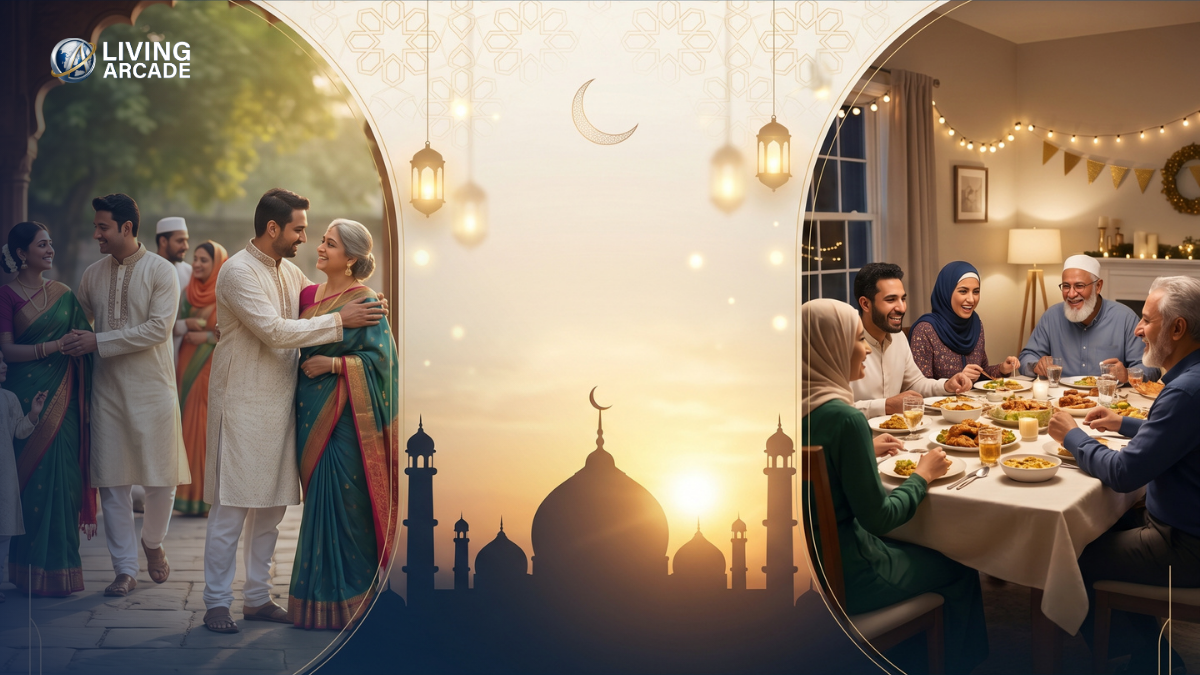
Eid-ul-Azha, also known as the Festival of Sacrifice, is one of the most important religious festivals celebrated by Muslims around the world. The holy occasion commemorates the sacrifice and devotion of Prophet Ibrahim (AS), who was willing to sacrifice his son in obedience to Allah’s command before a ram was provided instead.
In 2026, Muslims across Bangladesh and the United States are preparing to celebrate Eid-ul-Azha with prayers, charity, family gatherings and traditional food.
Eid Celebrations in Bangladesh
Eid-ul-Azha is celebrated nationwide in Bangladesh with deep religious devotion and cultural traditions. The festival creates a joyful atmosphere across cities, towns and villages.
Eid Prayers and Congregations
The day begins with special Eid prayers held at Eidgah grounds and mosques throughout the country.
The main national congregation takes place at the National Eidgah near the High Court in Dhaka, attended by government officials, political leaders and thousands of worshippers. Multiple congregations are also held at the Baitul Mukarram National Mosque.
In neighborhoods and villages, local Eidgahs and mosques become gathering places for communities. After prayers, Muslims embrace one another and exchange greetings by saying “Eid Mubarak.”
Qurbani and Charity
Eid-ul-Azha is especially known for Qurbani, the ritual sacrifice of animals such as cows, goats or sheep.
Bangladesh witnesses one of the world’s largest Qurbani celebrations every year. Families distribute portions of meat among relatives, neighbors and the poor, reflecting the Islamic values of sharing and compassion.
Many wealthy individuals and organizations also distribute food, clothes and financial support to underprivileged families during Eid.
Traditional Eid Food
Food plays a major role in Eid celebrations across Bangladesh.
Families prepare special dishes including polao, korma, roast, rezala, kebabs and various meat curries. Desserts such as semai, firni, payesh and zarda are also common in almost every household.
The festival becomes a time for family reunions, community feasts and hospitality.
Shopping and Festive Atmosphere
Before Eid, shopping malls and local markets remain crowded as people buy new clothes, shoes and accessories.
Men traditionally wear panjabi and pajama, while women prefer sarees and colorful outfits, often decorating their hands with mehendi.
Children receive “Eidi” or gifts from elders, making Eid especially exciting for younger family members.
Entertainment and Tourism
During the Eid holidays, families often travel or visit popular recreational spots including Hatirjheel, Ramna Park, Chandrima Udyan and the National Zoo.
In rural areas, traditional Eid fairs are organized featuring sweets, toys and cultural activities.
Television channels in Bangladesh also broadcast special Eid dramas, movies, music programs and live cultural shows throughout the holiday season.
Eid-ul-Azha Celebrations in the United States
Muslims in the United States celebrate Eid-ul-Azha with a combination of Islamic traditions and local customs shaped by America’s multicultural Muslim community.
Eid Morning Prayers
On Eid morning, Muslims gather at mosques, Islamic centers or open prayer grounds wearing their finest clothes.
Special sermons focus on sacrifice, faith and unity. After prayers, worshippers greet one another with “Eid Mubarak” and often exchange gifts and sweets.
Animal Sacrifice in the US
Unlike many Muslim-majority countries, animal sacrifice is less common at home in the United States due to legal and practical reasons.
Many American Muslims arrange Qurbani through certified slaughterhouses or donate money to international charities that distribute meat to poor communities around the world.
Family Gatherings and Food
Eid meals remain one of the highlights of the celebration in the US.
Since American Muslims come from diverse cultural backgrounds including South Asia, the Middle East, Africa and Southeast Asia, Eid food varies widely from family to family.
Large family gatherings, community dinners and mosque events are common across major US cities.
White House Eid Greetings
The President of the United States traditionally issues an official Eid greeting recognizing the Muslim community and the importance of Eid-ul-Azha.
In some years, White House Eid receptions and mosque visits are also organized to celebrate the occasion.
Hajj Connection
Eid-ul-Azha coincides with the annual Hajj pilgrimage in Mecca, Saudi Arabia.
Many Muslims from both Bangladesh and the United States travel to Saudi Arabia during this time to perform Hajj, one of the five pillars of Islam.
A Festival of Unity and Sacrifice
Although traditions vary from country to country, the message of Eid-ul-Azha remains universal — sacrifice, generosity, faith and togetherness.
From crowded Eidgah grounds in Bangladesh to multicultural mosque gatherings in the United States, Muslims around the world celebrate the holy festival by strengthening family bonds, helping the needy and sharing happiness with loved ones.
![Picture of Mahibur Fakir [Hillol]](https://secure.gravatar.com/avatar/5d35a11815be0a5f73b6180975d1521fdd7694c880473d8ad5c74749dce26bd6?s=176&d=mm&r=g)