![Picture of Mahibur Fakir [Hillol]](https://secure.gravatar.com/avatar/5d35a11815be0a5f73b6180975d1521fdd7694c880473d8ad5c74749dce26bd6?s=96&d=mm&r=g)
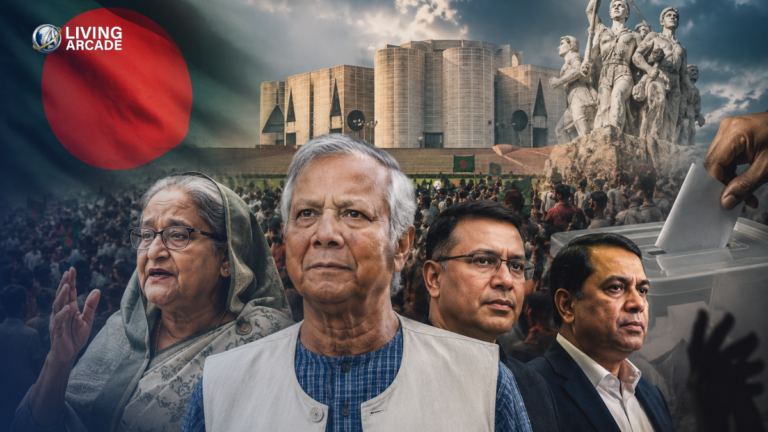
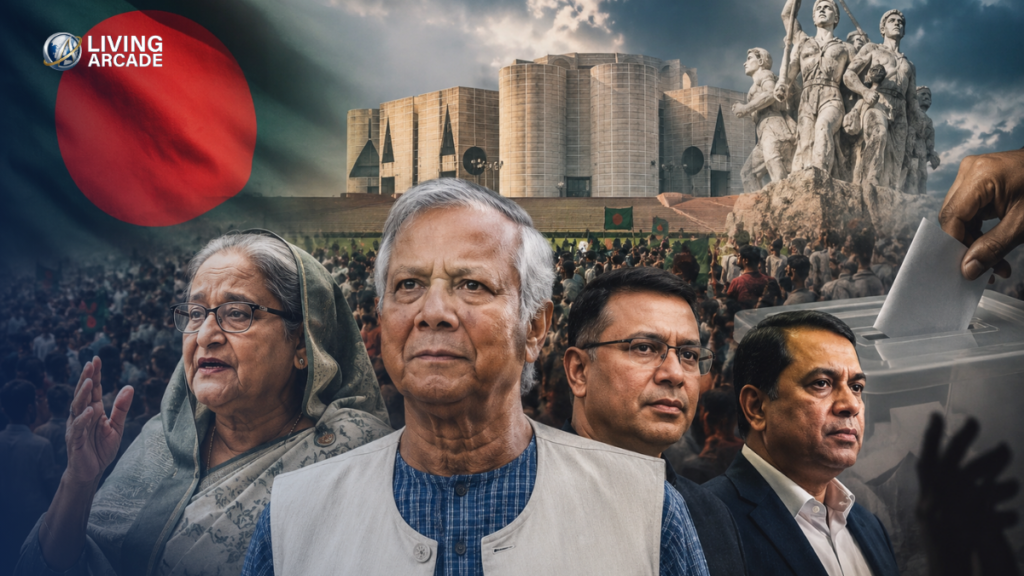
The discussion around religious extremism in Bangladesh has intensified since the country’s political transition in 2024. Analysts, researchers, and civil society members have expressed concern over several developments that they believe could affect Bangladesh’s long-standing commitment to secularism, social harmony, and democratic values.
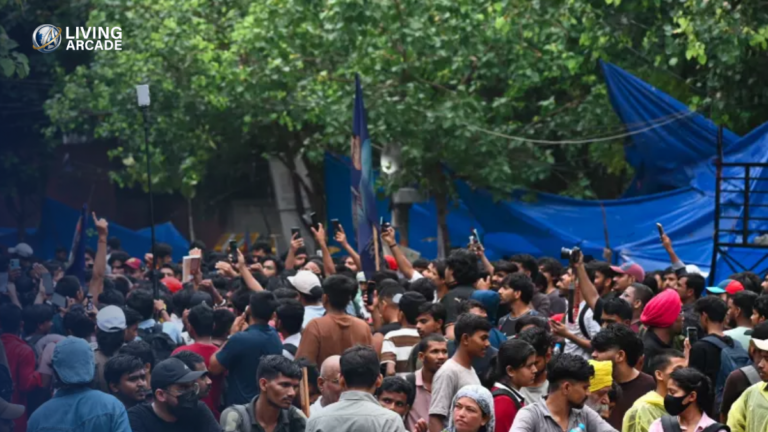
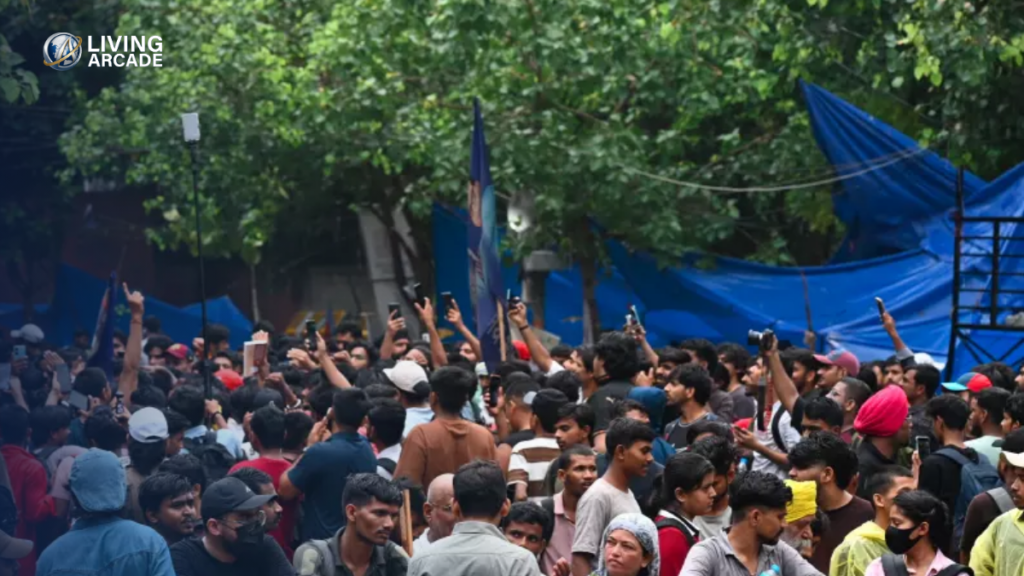
Following the political upheaval that led to a change in leadership, a number of incidents drew public attention. Reports highlighted attacks on statues, sculptures, and cultural monuments across different parts of the country. While some of these acts were linked to political anger against symbols associated with the previous government, others targeted cultural and historical sculptures that had no direct political connection. As a result, debates emerged over whether these incidents reflected a broader ideological agenda against secular and cultural symbols.
At the same time, security experts noted signs of renewed activity among hardline religious groups. Several organizations increased their public presence through rallies, campaigns, and online outreach. Concerns also grew over the release of individuals previously accused of involvement in extremist activities. Critics argued that these developments could weaken public confidence in counterterrorism efforts, while supporters claimed that political motives had influenced some past arrests.
Moreover, researchers have warned about the growing role of social media in spreading extremist narratives. Digital platforms are increasingly being used to target young people through religious and political messaging. Some reports also pointed to cases of Bangladeshi youths becoming connected with transnational extremist networks outside the country, raising concerns about online radicalization.
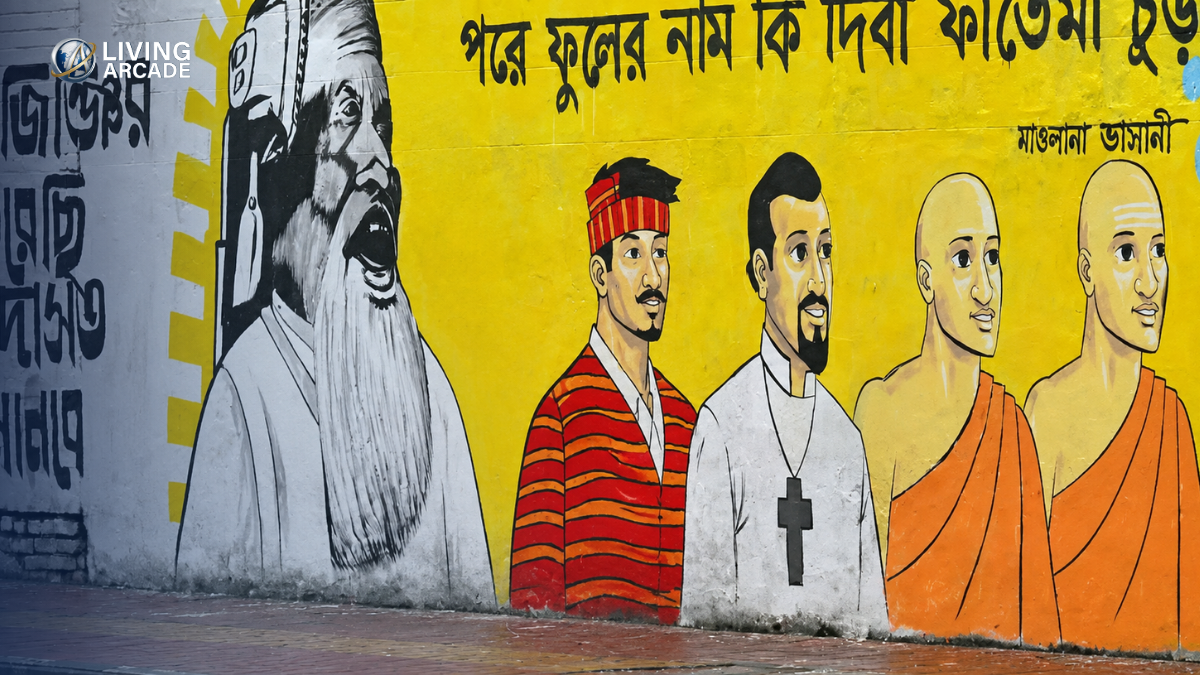
Another issue attracting attention is the rise of so-called “moral policing” and pressure on cultural activities. In several cases, public events, performances, and festivals reportedly faced opposition from hardline groups. Consequently, many observers fear that freedom of expression and cultural diversity could face greater challenges in the future.
Despite these concerns, Bangladesh remains home to a diverse society where the majority of citizens continue to support peaceful coexistence. The interim government has repeatedly emphasized its commitment to maintaining stability and preventing discrimination. However, experts argue that stronger institutional responses, community engagement, and effective counter-radicalization programs are necessary to address emerging threats.
Ultimately, the future of Bangladesh will depend on its ability to balance religious freedom, democratic values, and national security. Ensuring that all citizens can participate equally in public life will remain essential for preserving social cohesion and long-term stability.
![Picture of Mahibur Fakir [Hillol]](https://secure.gravatar.com/avatar/5d35a11815be0a5f73b6180975d1521fdd7694c880473d8ad5c74749dce26bd6?s=176&d=mm&r=g)