![Picture of Mahibur Fakir [Hillol]](https://secure.gravatar.com/avatar/5d35a11815be0a5f73b6180975d1521fdd7694c880473d8ad5c74749dce26bd6?s=96&d=mm&r=g)
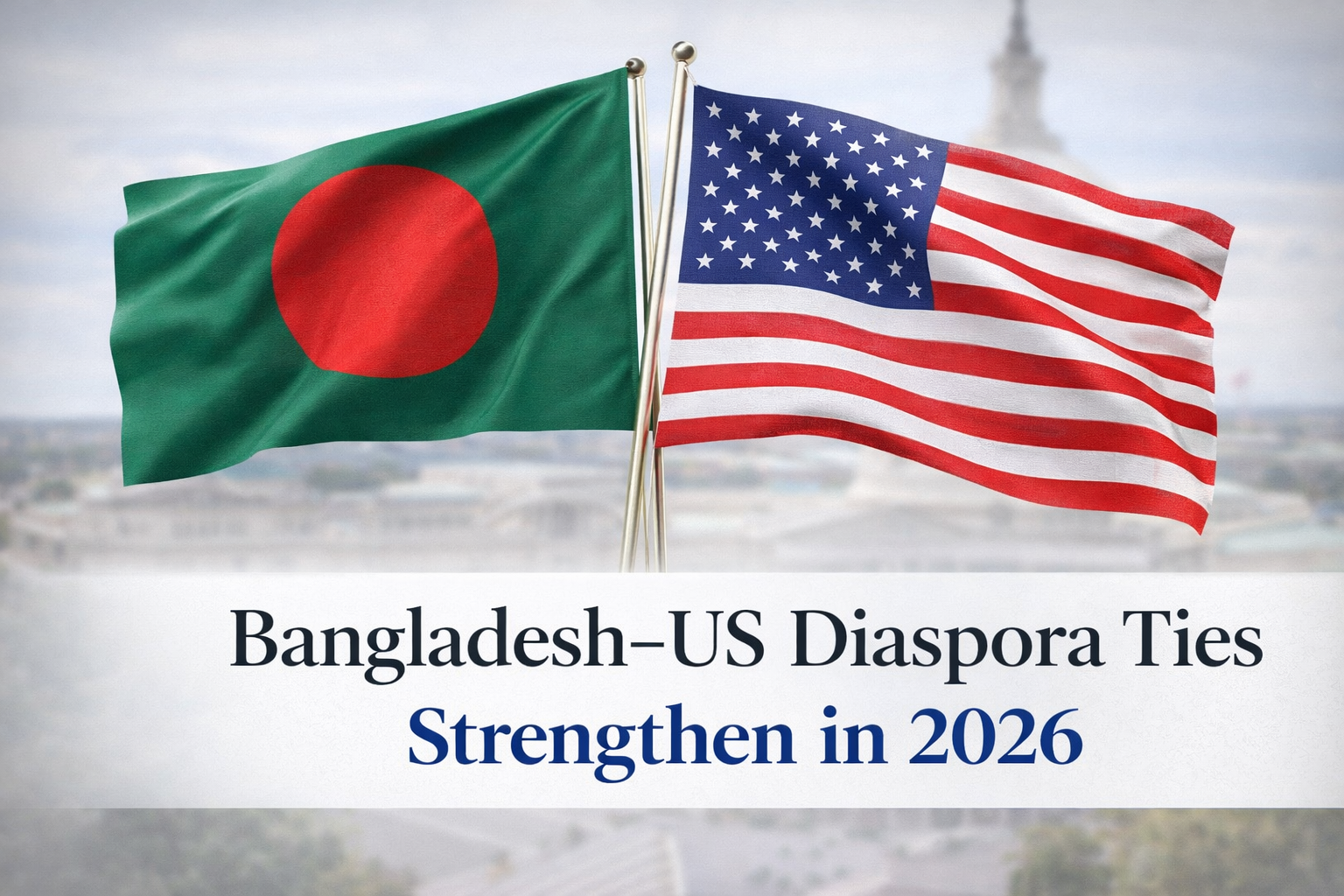
Dhaka, April 2026 — Bangladesh–United States relations are becoming stronger in 2026, especially through the growing role of the Bangladeshi diaspora. From rising remittances to active political engagement, the community in the United States is playing a key part in shaping bilateral ties.
Rising Remittances Support Bangladesh Economy
First of all, remittances from the United States have increased significantly over the past year. After the political changes in July 2024, many expatriates stepped up to support Bangladesh’s economy.
In August 2025 alone, remittances from the US reached nearly $300 million. As a result, the United States has become one of the top sources of foreign income for Bangladesh.
Experts believe this steady flow of money is helping the country manage economic pressure and maintain stability during a time of transition.
Stronger Diplomatic Engagement in 2026
Meanwhile, diplomatic activities between the two countries are also growing. The Bangladesh Embassy in Washington, D.C. has increased its engagement with US officials, policymakers, and community leaders.
For example, recent events such as Bangladesh’s National Day and Independence Day were celebrated with strong participation from both American and Bangladeshi representatives.
In addition, these events are helping to build trust and improve communication between the two nations.
Political Changes Draw US Attention
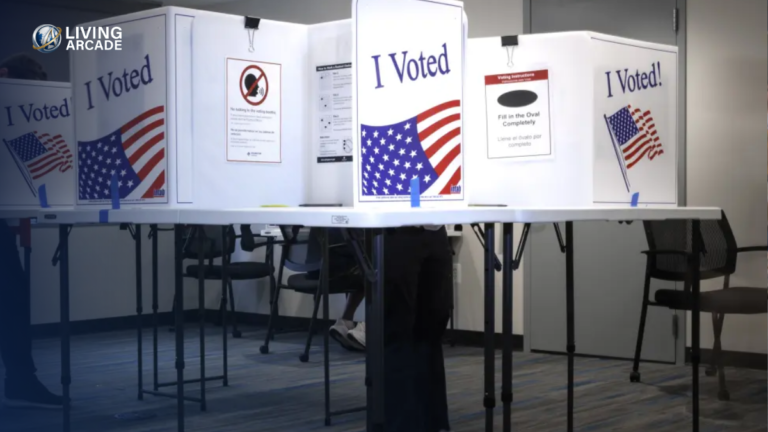
At the same time, political developments in Bangladesh have attracted attention from the United States. After the change in government, US policymakers are showing interest in engaging with different political groups.
This includes discussions with multiple stakeholders to ensure stability in the region. Moreover, analysts believe this approach is also linked to broader geopolitical interests, especially in South Asia.
New US Visa Policy Raises Concerns
However, some challenges remain. One major issue is the updated US visa bond policy, which now affects Bangladesh and several other countries.
Under this policy, some travelers may need to deposit up to $15,000 as a refundable bond when applying for a visa. The US government says this step is meant to reduce visa overstays.
On the other hand, Bangladeshi officials are working to address these concerns through diplomatic talks and policy discussions.
1971 Genocide Recognition Efforts Grow
Another important development is the push for international recognition of the 1971 genocide. In March 2026, a resolution was introduced in the US House of Representatives.
This move reflects long-term efforts by Bangladeshi-American activists. If approved, it would be a historic step for Bangladesh and a major diplomatic success.
Growing Diaspora Influence in the US
In recent years, the Bangladeshi community in the United States has grown both in size and influence. According to estimates, nearly 288,000 people of Bangladeshi origin live in the US.
Most of them are based in areas like New York, Michigan, and New Jersey. Neighborhoods such as Jackson Heights and Jamaica in Queens have become important cultural centers.
Furthermore, the diaspora is contributing to American society through businesses, education, and politics. Events like Boishakhi Mela and the rise of Bangladeshi-owned businesses show this growing presence.
Challenges Facing the Diaspora
Despite these positive trends, some issues still exist. For instance, proposed US tariffs on Bangladesh’s garment exports could affect trade and economic growth.
In addition, political divisions among expatriates sometimes reflect domestic tensions in Bangladesh. This can create misunderstandings and spread misinformation within the community.
At the same time, many advocacy groups are pushing for immigration reforms. Their goal is to help undocumented Bangladeshis gain legal status in the United States.
Future Outlook
Looking ahead, the relationship between Bangladesh and its US diaspora is expected to grow even stronger. Economic support, political involvement, and cultural exchange will continue to shape this partnership.
Overall, the Bangladeshi diaspora is no longer just a community abroad-it is now a major force in international relations and national development
![Picture of Mahibur Fakir [Hillol]](https://secure.gravatar.com/avatar/5d35a11815be0a5f73b6180975d1521fdd7694c880473d8ad5c74749dce26bd6?s=176&d=mm&r=g)