
![Picture of Mahibur Fakir [Hillol]](https://secure.gravatar.com/avatar/5d35a11815be0a5f73b6180975d1521fdd7694c880473d8ad5c74749dce26bd6?s=96&d=mm&r=g)
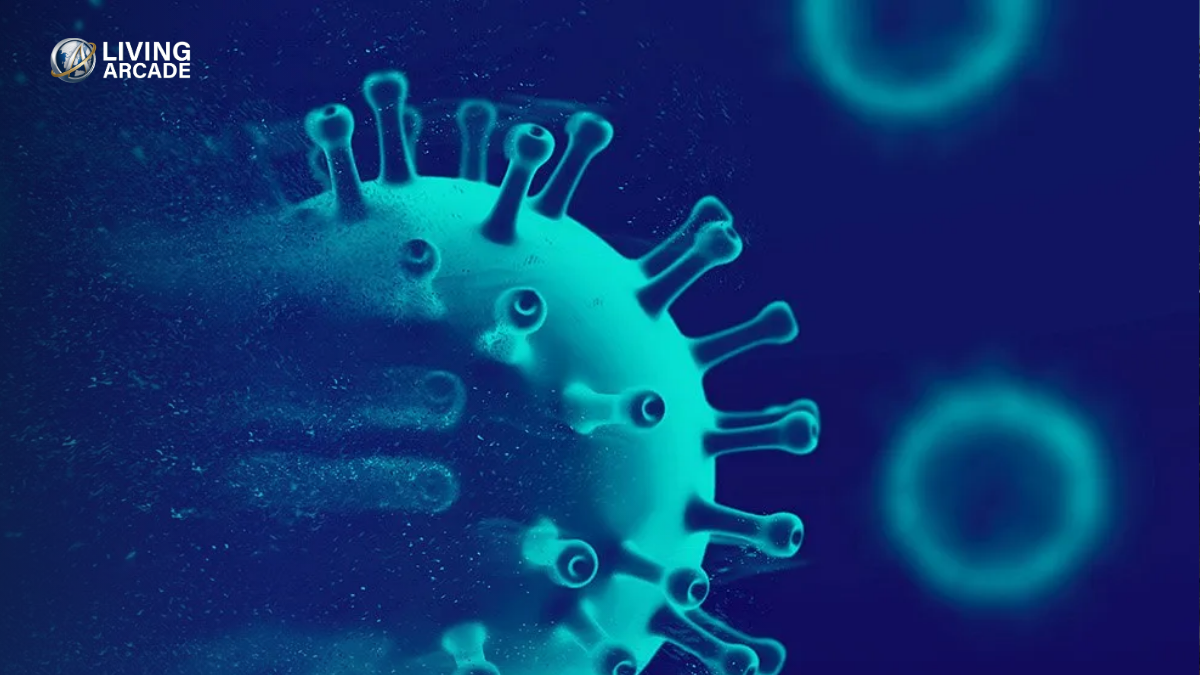
Antimicrobial resistance is becoming one of the world’s most serious public health challenges. Unlike sudden disease outbreaks, it spreads quietly as bacteria, fungi and other microbes become harder to control with medicines.
The human body contains trillions of microorganisms, including bacteria, fungi and viruses. Most help maintain good health, but some can cause serious infections when the body’s natural balance changes.
As microbes develop resistance to medicines, infections that were once easy to treat can become dangerous and costly.
How Antimicrobial Resistance Changes Infections
Some potentially harmful microbes already live inside or on the human body.
Escherichia coli (E. coli) normally lives in the intestines and supports a healthy gut environment. However, when it enters the urinary tract, it can cause an infection.
Many such infections were previously easy to treat with antibiotics. Today, some E. coli strains have developed resistance to commonly used medicines.
A major global study found that six leading bacterial pathogens were responsible for nearly 1 million deaths attributable to antimicrobial resistance in 2019, with E. coli identified as the largest individual contributor.
Another example is Candida, a fungus that commonly lives in the mouth and digestive system. It usually causes no serious problems, but weakened immunity, cancer treatment or prolonged antibiotic use can allow it to multiply and cause severe infections.
Staphylococcus aureus, another common bacterium found on the skin and in the nose, can also become dangerous when resistant strains cause infections.
Why Is Antimicrobial Resistance Increasing?
The misuse and overuse of antibiotics are major drivers of antimicrobial resistance.
When people take antibiotics unnecessarily, use the wrong dose or stop treatment incorrectly, bacteria can survive and adapt. Over time, these bacteria may develop resistance to medicines that once killed them.
This creates a serious cycle: the more antibiotics are used incorrectly, the greater the opportunity for resistant microbes to develop and spread.
The World Health Organization identifies antimicrobial resistance as one of the major global public health threats.
Bangladesh Faces a Growing Challenge
Bangladesh also faces concerns over inappropriate antibiotic use.
People sometimes visit pharmacies for common illnesses such as fever or colds and receive antibiotics without a prescription. However, many common colds and similar illnesses result from viruses, which antibiotics cannot treat.
Unnecessary antibiotic use can increase the risk of resistance and make future bacterial infections more difficult to manage.
Greater public awareness, responsible prescribing and stronger antibiotic stewardship are therefore essential to reduce the problem.
Why Antimicrobial Resistance Threatens Everyone
Resistant infections can lead to longer hospital stays, higher medical costs and fewer effective treatment options.
The threat also extends beyond individual infections.
Modern medicine depends heavily on effective antibiotics. Doctors rely on them during major surgeries, cancer treatment, intensive care and the treatment of vulnerable newborns.
If antibiotics become less effective, medical procedures that are currently considered routine could become significantly more difficult and risky.
The Solution Requires Everyone
The answer is not to eliminate the microorganisms that live in our bodies. Most of them are important for digestion, immunity and overall health.
Instead, healthcare systems need to protect the balance between people and microbes while reducing unnecessary antimicrobial use.
Doctors and other healthcare professionals can help by prescribing antibiotics only when appropriate. Pharmacists can support responsible medicine use, while governments can strengthen regulations, surveillance and infection-control programs.
The public also has an important role.
People should avoid taking antibiotics without professional advice and should not assume that antibiotics can treat every fever, cold or infection.
Why It Is Called a Silent Pandemic
Antimicrobial resistance is often described as a silent pandemic because it does not usually produce the dramatic outbreak scenes associated with diseases such as COVID-19.
Instead, resistance develops gradually and spreads through communities and healthcare systems.
That quiet progression makes it easy to overlook. Yet the consequences can affect millions of people by reducing the number of medicines available to treat infections.
The challenge is global, but everyday choices can influence how quickly resistance develops.
What Can People Do?
Several simple steps can help reduce the spread of antimicrobial resistance:
- Do not take antibiotics without appropriate medical advice.
- Do not use antibiotics to treat viral illnesses unless a healthcare professional advises otherwise.
- Follow professional instructions when taking prescribed medicines.
- Avoid sharing antibiotics with other people.
- Maintain good hygiene to reduce infections.
- Follow infection-prevention practices in healthcare settings.
- Support responsible antibiotic use in communities.
Frequently Asked Questions
What is antimicrobial resistance?
Antimicrobial resistance occurs when microorganisms such as bacteria and fungi develop the ability to survive medicines designed to control or kill them.
What causes antimicrobial resistance?
The misuse and overuse of antimicrobial medicines are major factors. Incorrect use can give microbes opportunities to adapt and develop resistance.
Can antibiotics treat a common cold?
Usually, no. Common colds are generally caused by viruses, while antibiotics target bacterial infections.
Why is antimicrobial resistance dangerous?
It can make infections harder to treat, increase healthcare costs and reduce the number of effective medicines available.
Does antimicrobial resistance affect Bangladesh?
Yes. Inappropriate antibiotic use and access to antibiotics without proper medical guidance are important concerns in Bangladesh.
How can people help prevent antimicrobial resistance?
People can avoid unnecessary antibiotics, seek appropriate medical advice and follow prescribed treatment instructions carefully.
Conclusion
Antimicrobial resistance may not always dominate the headlines, but its long-term impact could be enormous.
Resistant microbes are making some infections increasingly difficult to treat while threatening the effectiveness of modern healthcare.
The problem requires action from governments, healthcare professionals, pharmacists and the public. Responsible antibiotic use, stronger infection prevention and greater awareness can help slow the spread of resistance.
The microbes living alongside us do not have to become our enemies. The choices people and health systems make today will help determine how serious this global threat becomes tomorrow.
![Picture of Mahibur Fakir [Hillol]](https://secure.gravatar.com/avatar/5d35a11815be0a5f73b6180975d1521fdd7694c880473d8ad5c74749dce26bd6?s=176&d=mm&r=g)