![Picture of Mahibur Fakir [Hillol]](https://secure.gravatar.com/avatar/5d35a11815be0a5f73b6180975d1521fdd7694c880473d8ad5c74749dce26bd6?s=96&d=mm&r=g)
Living Arcade Desk
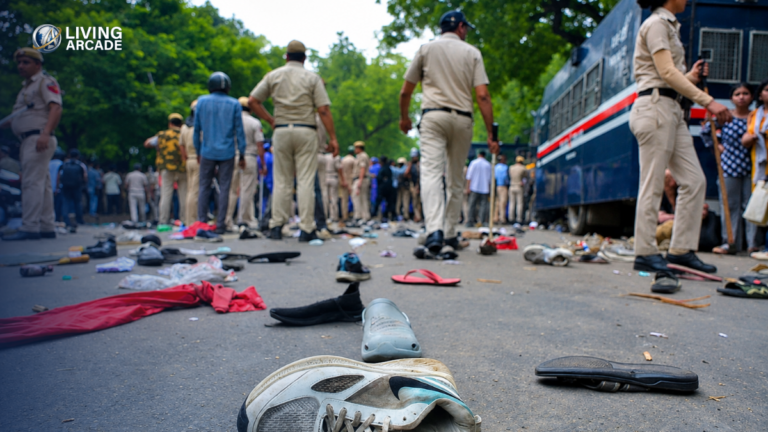
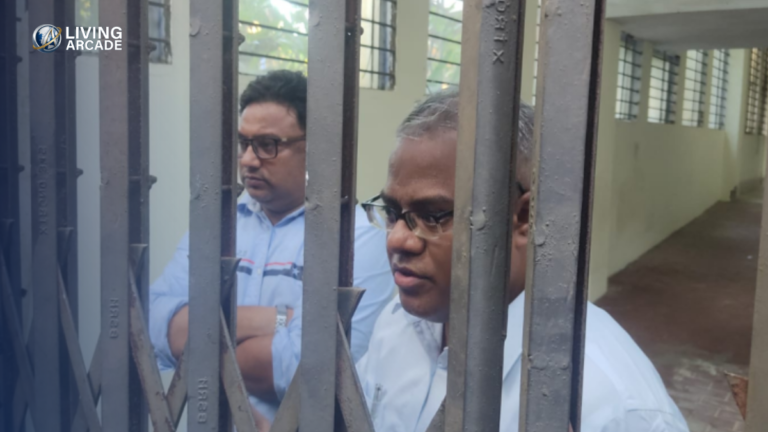
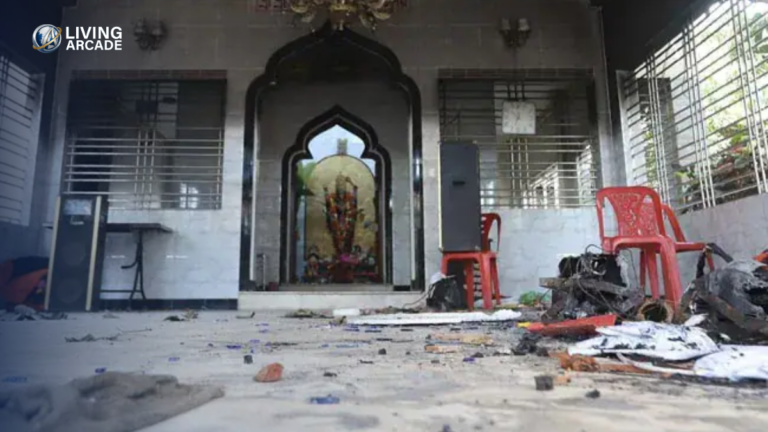
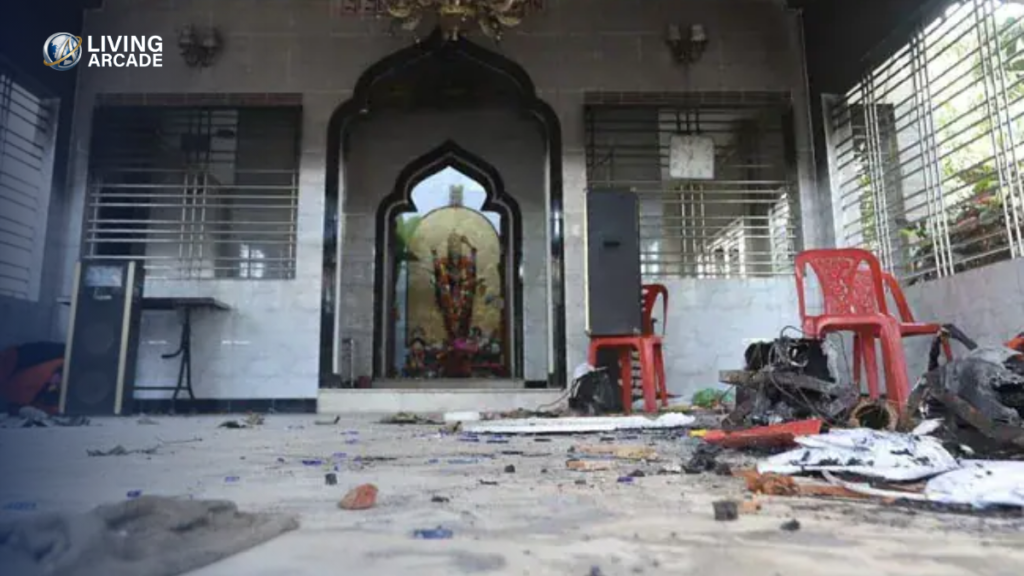
Bangladesh shrine attacks have emerged as a growing concern since August 2024, with Sufi mazars and dargahs across the country facing vandalism, arson, looting and attacks on devotees.
A study by Maqam: Centre for Sufi Heritage, covering the period from August 5, 2024, to December 31, 2025, documented 97 attacks on shrines and darbars across Bangladesh. The study reported three deaths and 468 injuries linked to the incidents. Only 11 formal cases had been filed, while investigations in 10 of those cases reportedly showed little or no progress.
The findings have renewed questions about the protection of Sufi religious sites and the government’s response to attacks on Muslim communities.
Bangladesh Shrine Attacks: What Do the Numbers Show?
Earlier, in January 2025, Bangladesh Police reported 44 attacks on 40 shrines between August 4, 2024, and January 2025. The incidents included vandalism, attacks on devotees, looting and arson.
Dhaka Division recorded the highest number, with 17 incidents, followed by Chattogram with 10 and Mymensingh with seven. One shrine in Sherpur was reportedly attacked four times.
Police said they had filed 15 regular cases and 29 general diaries in connection with the incidents and arrested 23 people. Two cases had reached the charge-sheet stage at that time, while investigations continued in other cases.
Why Are Sufi Shrines Important?
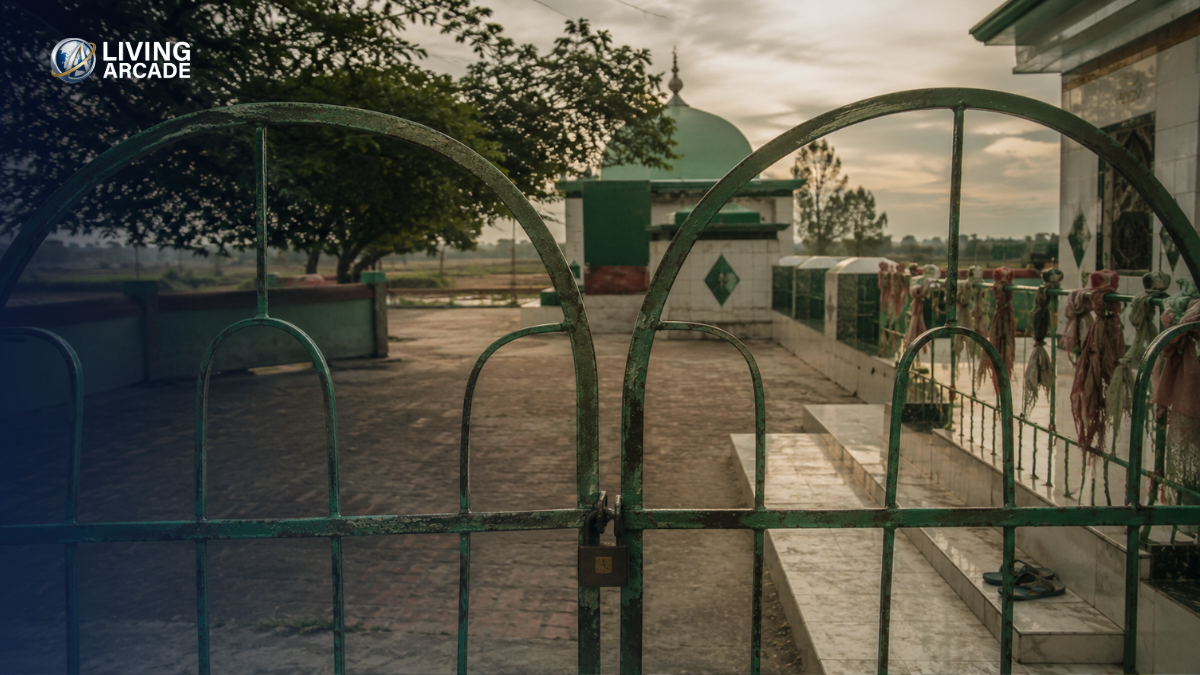
A mazar is generally the tomb of a Muslim saint or Sufi figure. Many shrines function as religious and cultural centres where devotees gather for prayers, religious discussions, qawwali, baul music and annual urs celebrations.
Sufi traditions have deep historical roots in Bengal and have influenced the region’s religious and cultural heritage for centuries.
Therefore, attacks on these sites affect not only buildings but also the communities that gather around them.
Violence Beyond Physical Damage
Several incidents have involved disruptions to religious and cultural programmes.
In January 2025, a qawwali programme at the Hazrat Shah Sufi Syed Kalu Shah Mazar Sharif in Mymensingh was disrupted, followed by vandalism at the shrine. The incident prompted government adviser Mahfuj Alam to warn that authorities would take action against those attacking mazars and cultural programmes.
In another reported incident in Rajbari, Nural Pagla’s shrine became the scene of severe violence, including the desecration of a grave. The incident drew significant public attention and led to arrests.
Government Response
The interim government previously announced a zero-tolerance policy towards attacks on shrines and instructed police units to investigate cases and arrest those responsible. Authorities also said they would use community policing and involve religious leaders to prevent further conflict.
However, the later Maqam study has raised questions about how effectively those measures translated into prosecutions.
The gap between reported attacks and completed legal proceedings remains one of the central concerns for affected communities.
A Debate Within Islam, But No Justification for Violence
There are longstanding theological differences among Muslim scholars regarding certain practices associated with shrines and visiting graves.
However, such disagreements do not provide a legal basis for private individuals or groups to use violence, destroy religious property or attack devotees.
The issue has therefore increasingly become one of law, public safety and religious freedom, rather than simply a theological dispute.
What Comes Next?
Rights advocates and representatives of Sufi communities have called for stronger investigations, greater protection for shrines and accountability for those responsible for attacks.
For Bangladesh, the challenge now extends beyond repairing damaged shrines. Authorities must also restore confidence among communities that fear further attacks and ensure that religious disagreements do not turn into mob violence.
The available evidence shows that Bangladesh shrine attacks have affected Muslim religious communities across multiple regions. How authorities respond to outstanding cases could determine whether the violence declines or becomes a recurring threat.
![Picture of Mahibur Fakir [Hillol]](https://secure.gravatar.com/avatar/5d35a11815be0a5f73b6180975d1521fdd7694c880473d8ad5c74749dce26bd6?s=176&d=mm&r=g)