
![Picture of Mahibur Fakir [Hillol]](https://secure.gravatar.com/avatar/5d35a11815be0a5f73b6180975d1521fdd7694c880473d8ad5c74749dce26bd6?s=96&d=mm&r=g)
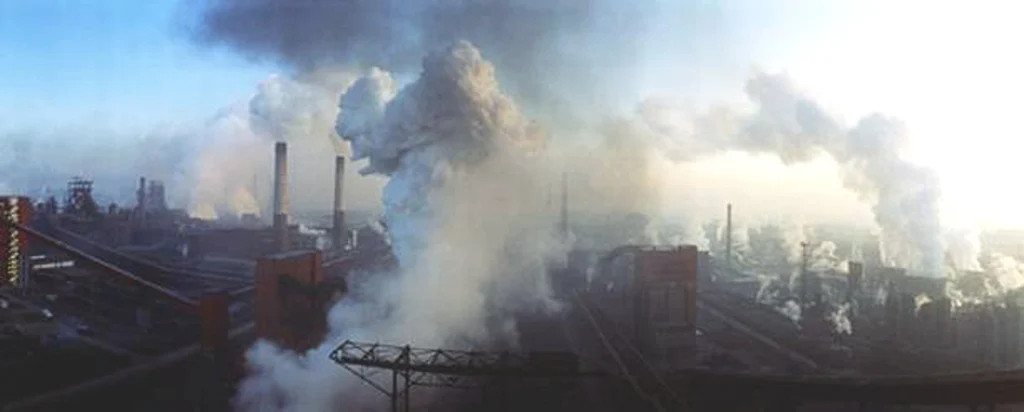
Residents in Iran’s capital woke up to thick smoke-filled skies and reports of unusual rainfall after a series of airstrikes struck oil storage facilities and refineries in and around Tehran.
Emergency responders warned people about potentially dangerous rainfall following the explosions. Officials said massive fires at oil depots released large amounts of toxic gases into the air, including sulfur compounds, nitrogen oxides, and hydrocarbon particles.
Authorities urged residents to remain indoors and avoid using air conditioning systems that could draw contaminated air inside homes. Health teams also advised people to limit outdoor exposure until the air quality improves.
Scientists say such incidents can lead to a phenomenon similar to acid rain. Acid rain forms when gases like sulfur dioxide and nitrogen oxides enter the atmosphere and react with water vapor and oxygen. The chemical reaction produces acidic compounds that later fall to the ground through rain, fog, or snow.
Normally, rainwater is slightly acidic. However, when large quantities of pollutants are released into the air—such as during industrial fires or explosions—the acidity level can increase significantly.
In wartime conditions, this process can happen much faster than typical industrial pollution. Large missile strikes or refinery explosions burn huge amounts of fuel in a short time, releasing dense clouds of chemicals. When these pollutants mix with moisture in the atmosphere, they can create highly acidic rainfall, sometimes mixed with soot and ash, often described as “black rain.”
Missile explosions themselves can also contribute to the process. Rocket propellants and explosive materials release nitrogen oxides and sulfur compounds when they detonate. These gases can combine with water droplets in clouds and later fall as acidic precipitation.
Experts say such rain can have serious environmental and health effects. Breathing in the polluted air that forms acid rain can trigger breathing problems, including asthma attacks, bronchitis, and lung irritation. Crops, forests, and water sources may also be damaged because the acidic water can poison soil and harm fish and other aquatic life.
Similar environmental effects have been recorded during previous wars. During the Gulf War in 1991, hundreds of burning oil wells released massive amounts of smoke and sulfur dioxide into the atmosphere, creating large clouds of pollution and acidic rainfall across parts of the Middle East and nearby regions.
More recently, conflicts in countries with heavy industrial infrastructure have also produced chemical clouds after strikes on factories, fuel storage sites, and chemical tanks.
Environmental scientists warn that if large fires continue around energy facilities, the risk of toxic air and acidic rainfall could increase in nearby areas. Monitoring air quality and limiting exposure remain key safety measures for residents living near affected zones.
![Picture of Mahibur Fakir [Hillol]](https://secure.gravatar.com/avatar/5d35a11815be0a5f73b6180975d1521fdd7694c880473d8ad5c74749dce26bd6?s=176&d=mm&r=g)