![Picture of Mahibur Fakir [Hillol]](https://secure.gravatar.com/avatar/5d35a11815be0a5f73b6180975d1521fdd7694c880473d8ad5c74749dce26bd6?s=96&d=mm&r=g)
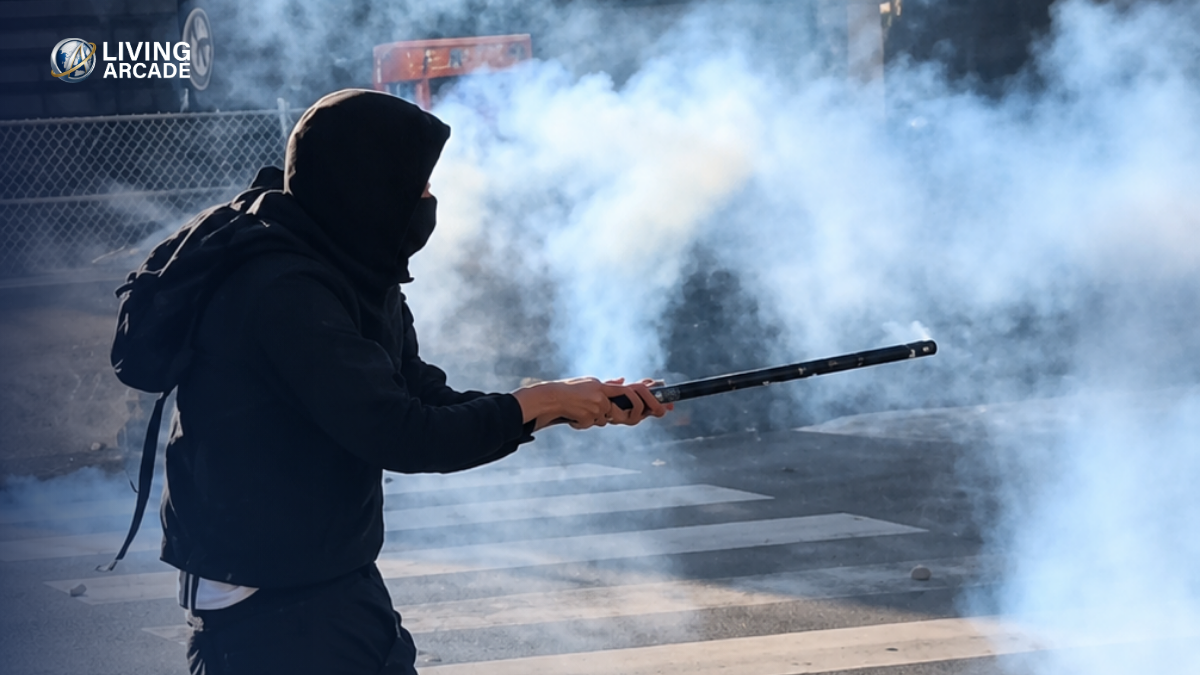
France student protests moved into a new phase on Tuesday, October 6, 2026, as trade unions joined secondary school students on the streets of Paris. Tens of thousands of people marched in the French capital, and authorities expected between 20,000 and 40,000 demonstrators there.
Officials also expect more rallies in other parts of the country. The movement has already spread from schools to universities, so the pressure on the government continues to grow.
What Is Driving the France Student Protests?
Since late September, students have blocked the entrances to hundreds of lycées across France. Lycées are upper secondary schools, and their students are usually between 15 and 18 years old.
The students say their schools are failing them. First, they point to missing teachers and overloaded timetables. They also complain about run-down classrooms and buildings that cannot cope with rising temperatures.
The first blockades appeared around September 21 in Val-de-Marne and Seine-Saint-Denis, two areas near Paris. Within days, the movement reached other big cities, including Lille, Marseille, Lyon, Rennes and Nantes.
Unions Join a National Day of Action
The latest figures show how wide the movement has become. According to the education ministry and a student union, the protests have disrupted teaching at 589 of France’s 3,700 lycées and at 32 universities.
Trade unions have now added their weight to the student campaign. Sophie Binet, who leads the CGT labor union, said its members would join the marches to protect the high school students.
At the same time, Prime Minister Sébastien Lecornu’s office urged people to gather peacefully. It also called for a return to “a structured, legal and democratic form of opposition.”
Injuries and Arrests During the School Protests in France
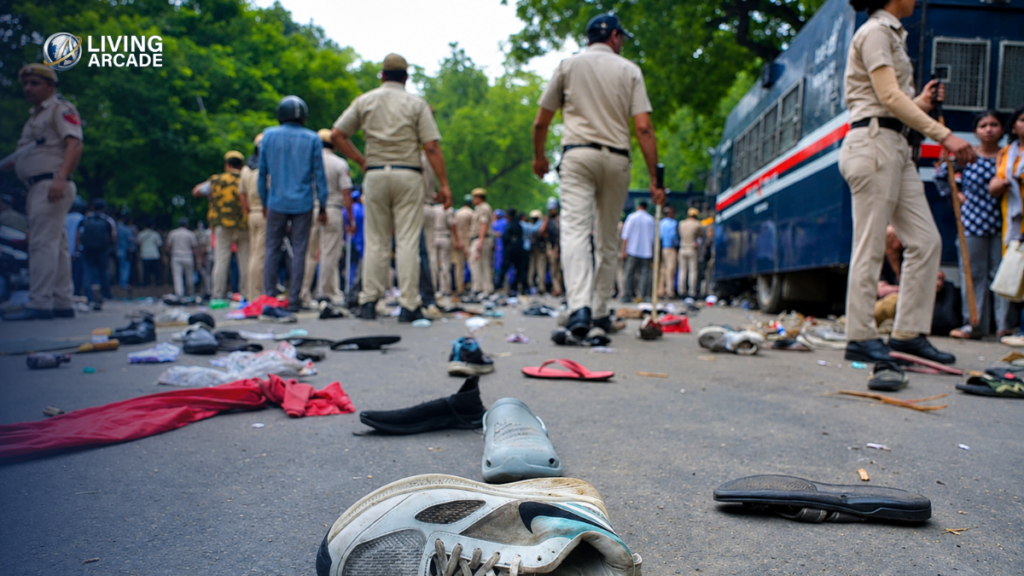
Many of the protests have stayed peaceful. However, some students have set fire to dustbins, burned bus shelters or clashed with riot police. In response, officers have used batons, tear gas and riot-control rounds.
According to the government, 215 students and 715 police officers have suffered injuries since the movement began. In addition, the prime minister’s office reported injuries among 85 teaching staff members.
One of the most serious cases happened on Monday, October 5. A 15-year-old boy lost a hand after he picked up a sting-ball grenade, a type of riot-control device, that riot officers had fired.
Police have also made a large number of arrests. Official figures show that police have arrested more than 5,000 people, and 87% of them are minors.
Damage to schools is another concern. The education minister said fires or ransacking have hit 24 schools since the movement started.
Police Face Questions Over the Use of Force
Several unions accuse the police of using too much force against protesters. Late on Monday, Interior Minister Laurent Nuñez said police had opened ten internal investigations into claims of brutality since the protests began.
How the Government Is Responding to the Student Protests
The government says it is trying to address the students’ complaints. For example, the prime minister has moved to tackle the shortage of teachers and the poor state of some school buildings.
However, the government also accuses hard-left activists of taking over the protest movement.
New Bill on Paying for Damage
Alongside these steps, the government is pushing a new law on damage to public property. Under the plan, people who damage public property would pay for repairs themselves. As a result, public money would no longer cover those costs.
Lecornu said the draft law could allow authorities to recover compensation from family allowances and housing benefits. Still, he said it would protect a minimum income for families.
Binet criticized the plan. She warned that it would “end up targeting the most vulnerable families.”
Protests Come Months Before France’s 2027 Election
The unrest comes at a sensitive political moment. France will hold a presidential election in 2027 to choose a successor to President Emmanuel Macron. Because Macron has served the maximum of two terms, he cannot run again.
What Happens Next for the France Student Protests
Officials expect more protests in cities across France on Tuesday. Meanwhile, several important questions remain open.
First, it is unclear whether the government’s promises on teachers and buildings will calm the anger in schools. Second, the results of the ten police investigations are not yet known. Finally, the draft law on repair costs has already drawn strong criticism from unions.
Source: AFP
FAQs
Q1. Why are students protesting in France?
Students say their schools lack teachers, have overloaded timetables, and use run-down buildings that cannot cope with rising temperatures.
Q2. How many arrests have there been in the France student protests?
Police have arrested more than 5,000 people since the movement began. According to official figures, 87% of them are minors.
Q3. How many people have suffered injuries in the protests?
The government reports injuries to 215 students and 715 police officers. The prime minister’s office also reported injuries among 85 teaching staff members.
Q4. What is the French government doing about the student protests?
The government says it is working on teacher shortages and school repairs. It is also pushing a law that would make people pay for damage to public property.
Q5. Are French police under investigation over the protests?
Yes. The interior minister said police have opened ten internal investigations into claims of brutality.
![Picture of Mahibur Fakir [Hillol]](https://secure.gravatar.com/avatar/5d35a11815be0a5f73b6180975d1521fdd7694c880473d8ad5c74749dce26bd6?s=176&d=mm&r=g)