![Picture of Mahibur Fakir [Hillol]](https://secure.gravatar.com/avatar/5d35a11815be0a5f73b6180975d1521fdd7694c880473d8ad5c74749dce26bd6?s=96&d=mm&r=g)
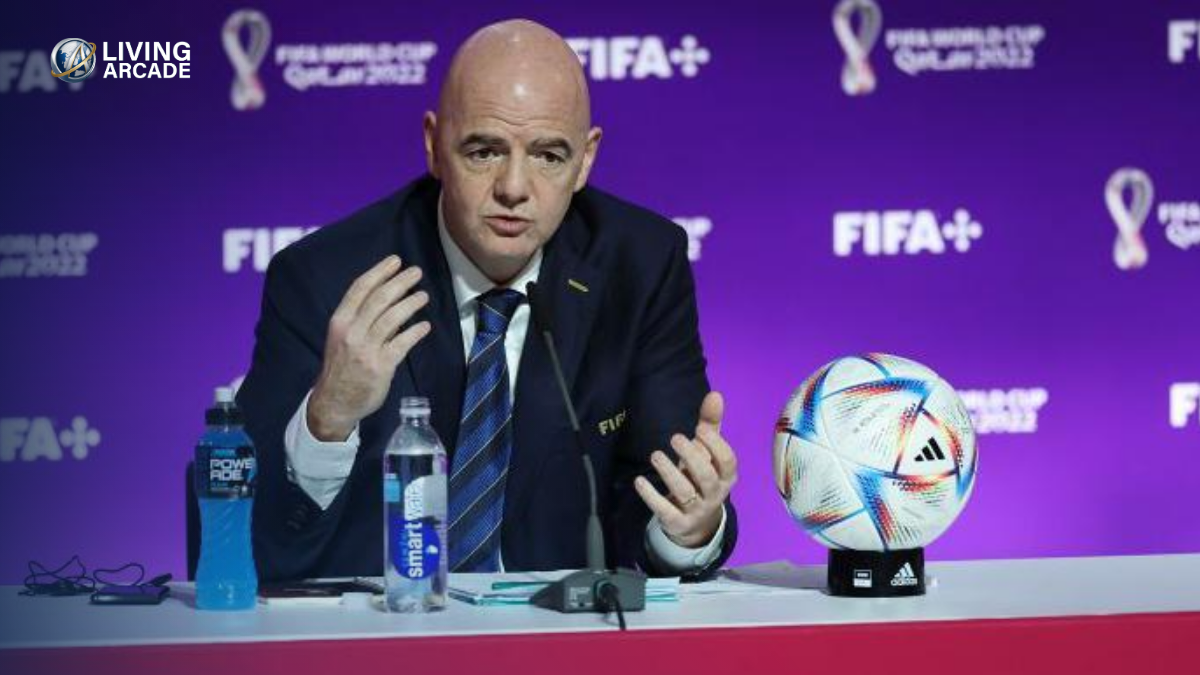
Gianni Infantino FIFA Presidency has reached its tenth year with a legacy defined by remarkable financial growth, ambitious tournament expansion, and increasing controversy over governance and political influence.
When Infantino replaced Sepp Blatter as FIFA president in 2016, he promised to restore trust after years of corruption scandals. At the time, FIFA faced financial uncertainty, damaged credibility, and declining sponsor confidence. His mission was simple: rebuild football’s governing body and return transparency to the organization.
Financial Growth Changes FIFA
One of Infantino’s biggest achievements has been FIFA’s financial recovery.
Under his leadership, FIFA expects to generate a record $13 billion in revenue during its current financial cycle. The expansion of the FIFA World Cup, new commercial tournaments, and increased broadcasting and sponsorship deals have significantly strengthened the organization’s finances.
FIFA also increased development funding for national football associations, helping smaller nations improve infrastructure, youth development, and grassroots football programs.
Expansion Brings New Opportunities and Debate
Infantino quickly delivered on his promise to expand the FIFA World Cup.
The tournament grew from 32 to 48 teams, creating more opportunities for emerging football nations while increasing FIFA’s commercial revenue.
He also introduced the expanded FIFA Club World Cup, although critics argued that the competition added pressure to an already crowded football calendar and reduced players’ recovery time.
Governance Decisions Face Scrutiny
While FIFA’s financial position improved, several governance decisions attracted criticism.
The selection process for the 2030 and 2034 FIFA World Cups, particularly Saudi Arabia’s uncontested path to hosting the 2034 tournament, raised concerns among several football associations and governance experts.
Earlier this year, FIFA also faced widespread criticism after proposing a plan to sell stakes in its major competitions, including the World Cup, to private investors. After strong opposition from football stakeholders, FIFA withdrew the proposal.
UEFA Relationship Continues to Deteriorate
Relations between FIFA and UEFA have become increasingly strained during Infantino’s presidency.
European football officials criticized his leadership style and questioned several commercial decisions. Tensions escalated after UEFA publicly stated that it had lost confidence in FIFA’s leadership following disagreements over governance, scheduling, and commercial strategy.
Political Connections Draw Attention
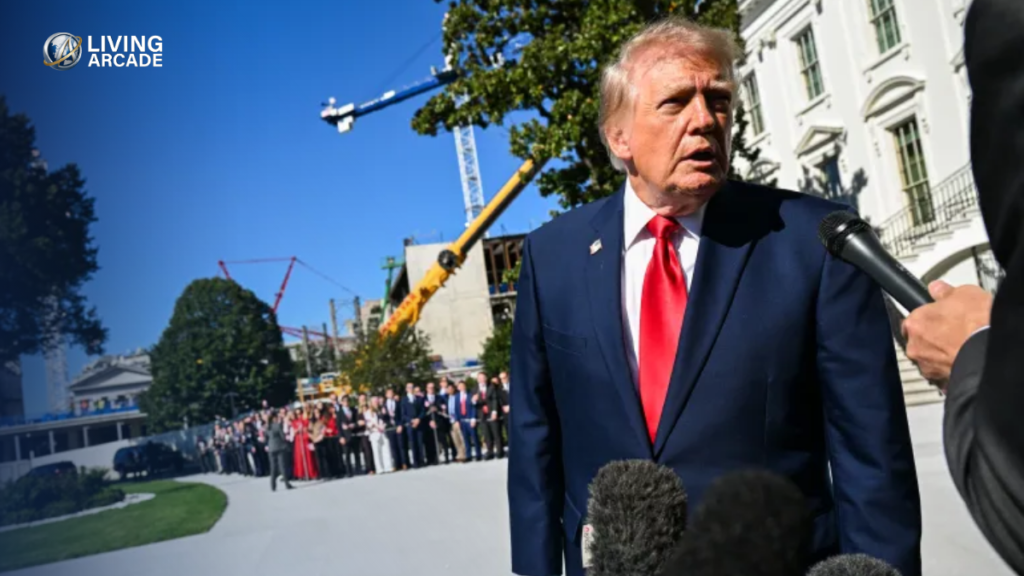
Infantino’s close relationship with U.S. President Donald Trump has also generated significant debate.
His attendance alongside Trump at several international events, combined with criticism surrounding political involvement in football matters, prompted questions about FIFA’s independence from political influence.
Several football organizations argued that FIFA should maintain greater neutrality in global sporting affairs.
A Mixed Legacy for World Football
Despite ongoing criticism, many football associations credit Infantino with increasing investment in developing football nations.
FIFA now provides more financial support for infrastructure, youth development, and grassroots football than before his presidency. The organization also continues publishing executive salaries and financial reports as part of broader transparency reforms introduced after the corruption crisis.
However, controversies surrounding tournament expansion, governance decisions, commercial partnerships, and political relationships continue to shape public opinion.
Looking Ahead
After securing re-election without opposition in both 2019 and 2023, Infantino is expected to remain one of the most influential figures in world football ahead of FIFA’s next presidential election in 2027.
Whether history remembers his tenure as a period of modernization or controversy may ultimately depend on how FIFA balances financial success with governance, transparency, and the interests of the global football community.
![Picture of Mahibur Fakir [Hillol]](https://secure.gravatar.com/avatar/5d35a11815be0a5f73b6180975d1521fdd7694c880473d8ad5c74749dce26bd6?s=176&d=mm&r=g)