![Picture of Mahibur Fakir [Hillol]](https://secure.gravatar.com/avatar/5d35a11815be0a5f73b6180975d1521fdd7694c880473d8ad5c74749dce26bd6?s=96&d=mm&r=g)
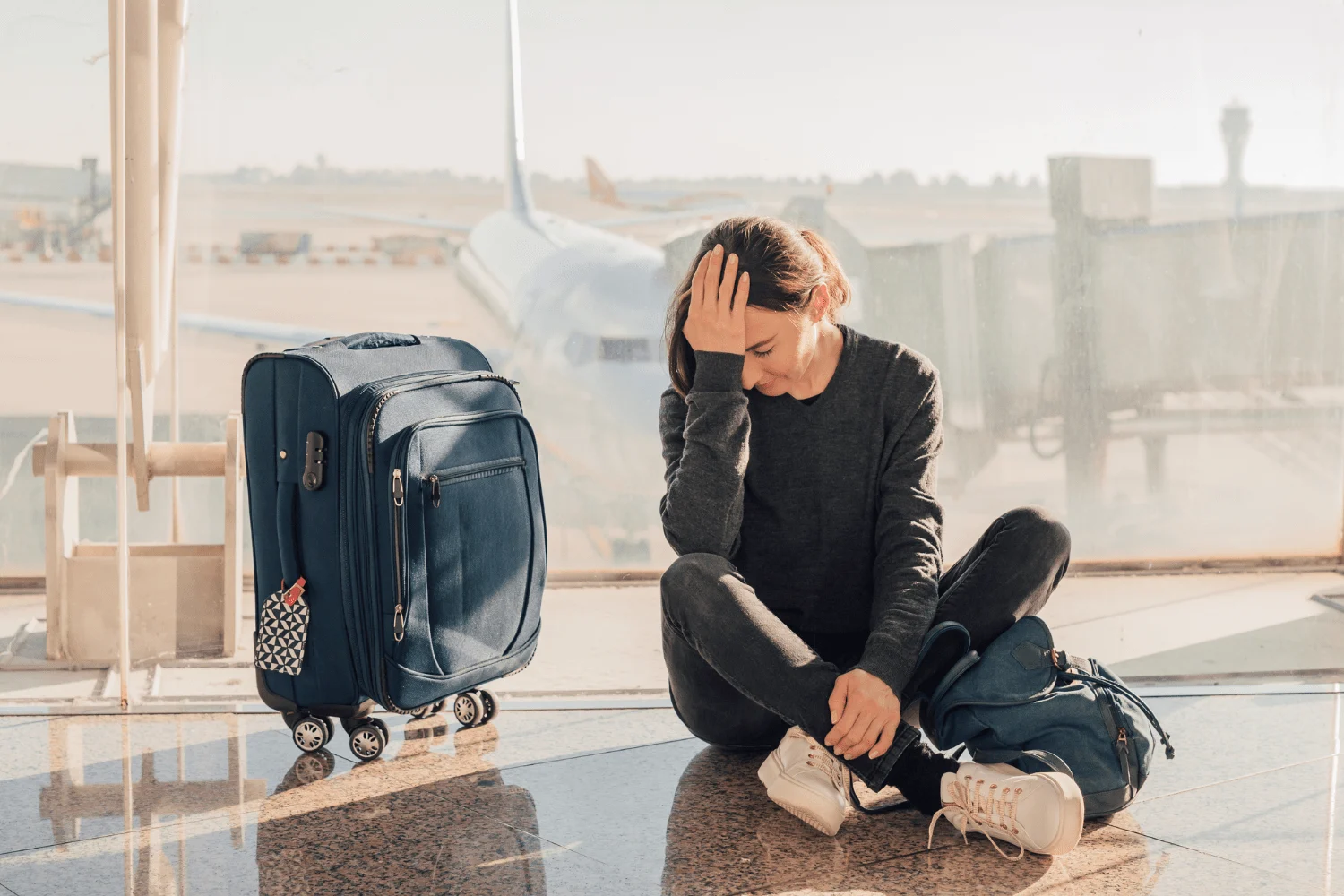
Vacations are often planned as a time to relax and recharge. People imagine peaceful days, good food, and restful sleep away from daily responsibilities.
Yet many travelers experience the opposite feeling when they return home — exhaustion instead of energy. Psychologists say this reaction, often called post‑vacation fatigue, is surprisingly common.
Experts explain that travel itself can be physically and mentally demanding. Long flights, crowded airports, delayed schedules, and unfamiliar environments can put stress on the body. Even enjoyable activities like sightseeing, socializing, and exploring new places can require more energy than people expect.
Another major reason is the disruption of daily routines. At home, people usually follow consistent patterns such as waking up at the same time, eating regular meals, and maintaining stable sleep schedules. During a vacation, those routines often change dramatically.
Late nights, irregular meals, and travel across time zones can confuse the body’s internal clock. When people return home and suddenly shift back to their normal schedule, the body needs time to readjust.
Psychologists say post‑vacation fatigue can show up in several ways. Many people report low energy, trouble concentrating, or a general feeling of tiredness during the first few days after returning home. Others may experience headaches, muscle stiffness, or mild emotional changes such as sadness or irritability.
Some travelers also feel a sense of disappointment after a trip ends. This emotional shift, sometimes called the “post‑vacation blues,” can add to feelings of fatigue and lack of motivation.
The good news is that these symptoms are usually temporary. For most people, the body returns to normal within a few days to a week.
Health experts suggest several simple strategies to recover more quickly after a trip. One important step is allowing time to adjust before returning to work or major responsibilities. Returning home a day or two early can help the body and mind settle back into routine.
Staying hydrated, eating balanced meals, and getting enough sleep can also help restore energy levels. Light exercise such as walking can support the body’s recovery and improve mood.
Another helpful approach is easing gradually back into daily responsibilities rather than trying to complete everything immediately after returning home.
Some psychologists also recommend reflecting on positive travel memories or organizing photos from the trip. This can help maintain the emotional benefits of the vacation while adjusting back to daily life.
Experts say that while feeling tired after a trip may seem frustrating, vacations still offer important benefits. Time away from regular pressures allows people to experience new places, strengthen relationships, and give their minds a break from routine stress.
With a little rest and patience, most people regain their energy within days and return to their normal routine feeling refreshed again. If exhaustion continues for several weeks, however, experts advise consulting a healthcare professional to rule out deeper health or stress‑related issues.
![Picture of Mahibur Fakir [Hillol]](https://secure.gravatar.com/avatar/5d35a11815be0a5f73b6180975d1521fdd7694c880473d8ad5c74749dce26bd6?s=176&d=mm&r=g)