![Picture of Mahibur Fakir [Hillol]](https://secure.gravatar.com/avatar/5d35a11815be0a5f73b6180975d1521fdd7694c880473d8ad5c74749dce26bd6?s=96&d=mm&r=g)
DHAKA — March 10, 2026
Bangladesh is confronting one of its gravest energy emergencies in decades. As the war between the United States, Israel, and Iran enters its second week, the shock waves have reached Dhaka with alarming speed — fuel pumps overwhelmed, universities shut, fertiliser factories silenced, and 170 million people navigating a crisis born thousands of kilometres away.
A Nation Importing 95% of Its Energy — Now Paying the Price
The vulnerability was always there. Bangladesh relies on imports for 95 percent of its energy needs, and the Iran war engulfing the Middle East has now directly disrupted those supplies. LiveNOW from FOX For years, the country plugged the gap between falling domestic gas production and rising demand by importing liquefied natural gas — primarily from Qatar, with virtually every cargo passing through the Strait of Hormuz. That chokepoint is now effectively closed.
The closure of the Strait of Hormuz has raised serious concerns about potential disruptions to supplies for transport, industry, and households. Around one-fifth of Bangladesh’s crude oil imports pass through this vital maritime route. NPR
Rationing at the Pump, Anger on the Streets
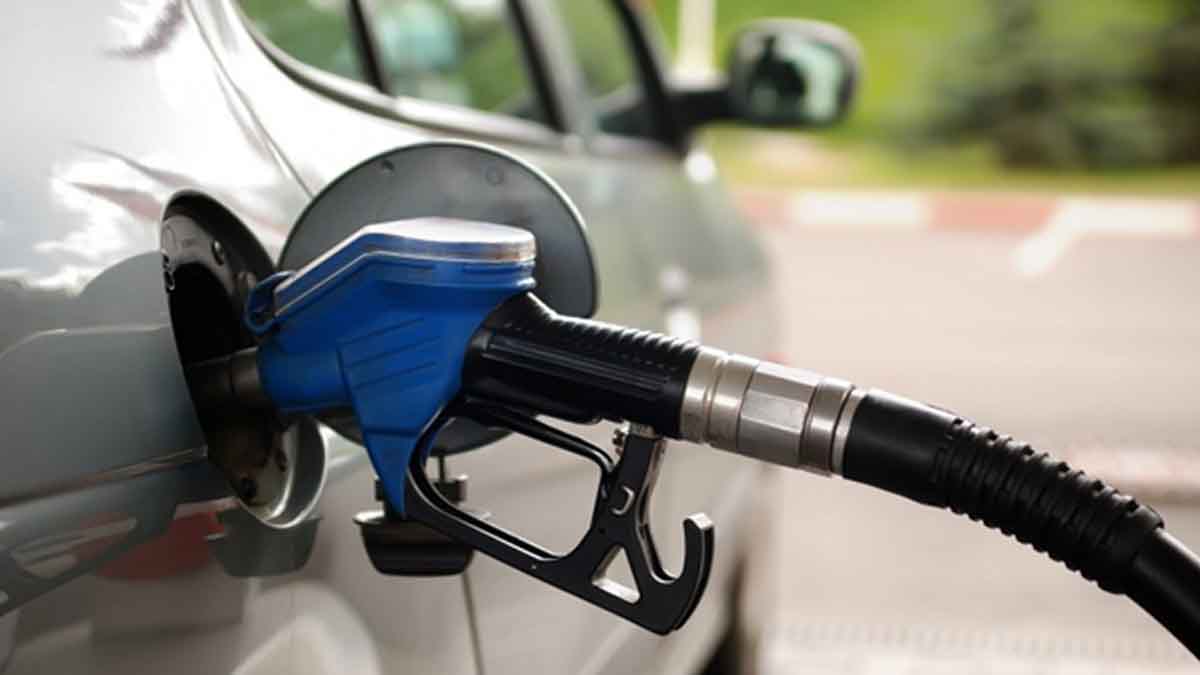
Bangladesh launched fuel rationing as the war in the Middle East deepened an energy crunch, creating long queues at filling stations and boiling over into anger. Following the US and Israeli attacks on Iran, and Tehran’s retaliatory strikes throughout the Gulf, the national oil company Bangladesh Petroleum Corporation (BPC) restricted fuel sales for most vehicles. ABC News
Authorities capped fuel purchases for several types of vehicles as panic buying and hoarding spread following warnings of possible supply disruptions. Motorcyclists are now limited to a maximum of two litres per tank. NPR
The panic has distorted the market in damaging ways. On a typical day, Bangladesh sells about 12,000 to 13,000 tonnes of diesel, but in recent days daily sales reportedly exceeded 20,000 tonnes — a surge driven not by genuine demand but by stockpiling. NPR The BPC urged citizens to stop panic buying, warning that such behaviour risks deepening the very shortage people fear.
Universities Shut, Schools Closed
Authorities shut all public and private universities across the country, bringing forward the Eid al-Fitr holidays as part of emergency measures to conserve electricity and fuel. Officials said the move will not only reduce electricity consumption but also ease traffic congestion, which leads to fuel wastage. LiveNOW from FOX
As part of broader austerity measures, the government also asked all foreign-curriculum schools and private coaching centres to suspend operations during this period to limit electricity use. Tech Startups The message from Dhaka is clear: every kilowatt saved is a lifeline extended.
Fertiliser Factories Go Dark — Farmers at Risk
Perhaps the most alarming downstream consequence is unfolding in Bangladesh’s agricultural heartland. Five of the country’s six fertiliser factories have been closed until March 18, as severe gas shortages forced a halt to production. ABC News Available gas is being redirected to power plants to avoid widespread outages. LiveNOW from FOX
Experts warn that instability in the Middle East is affecting not only the supply of fuel but also of natural gas, a key input for urea production. Rising gas prices in the international market are pushing up fertiliser costs, meaning Bangladesh may soon face higher bills to secure both energy and agricultural inputs. NPR With the Boro paddy season underway, a prolonged fertiliser shortfall risks cascading into a food security problem by harvest time.
How Long Do Stocks Last?
Officials have urged calm, pointing to existing reserves. The country’s fuel stock ranges between two weeks and one month, while gas supply will remain stable for at least the next 20 days. LPG is being collected from alternative sources outside the Middle East. NPR
Bangladesh had 1,15,473 tonnes of diesel in stock as of 4 March, enough to meet demand for about nine days, while furnace oil reserves stand at 66,192 tonnes, sufficient for approximately 59 days — suggesting electricity generation is unlikely to be disrupted in the near term. PBS
On LNG, two LNG shipments from Singapore have been secured as contingency, and Bloomberg reported that an LNG cargo from Qatar is en route to Bangladesh, easing fears of a gas shortage. PBS
Energy and Power Minister Iqbal Hasan Mahmud Tuku struck a measured tone. “Two more oil tankers will arrive on 9 March. There is no reason for panic,” he told reporters, urging consumers not to queue overnight at petrol pumps. PBS
The Bigger Warning
Behind the immediate scramble lies a structural truth that this crisis has exposed with painful clarity. Economists argue that Bangladesh’s structural dependence on imported LNG reflects years of underinvestment in domestic exploration. Offshore and onshore drilling progressed slowly, while policymakers relied on imported energy to bridge supply gaps — a strategy that leaves Bangladesh vulnerable to geopolitical shocks unfolding thousands of kilometres away. The Washington Post
Bangladesh is preparing to reduce deliveries to petrol pumps as the country tries to stretch existing reserves in the face of an escalating conflict in the Middle East. CNN The government has pledged to do whatever it takes to maintain stability. But with no ceasefire on the horizon and LNG spot prices already surging, Bangladesh’s energy tightrope walk has only just begun.
![Picture of Mahibur Fakir [Hillol]](https://secure.gravatar.com/avatar/5d35a11815be0a5f73b6180975d1521fdd7694c880473d8ad5c74749dce26bd6?s=176&d=mm&r=g)