![Picture of Mahibur Fakir [Hillol]](https://secure.gravatar.com/avatar/5d35a11815be0a5f73b6180975d1521fdd7694c880473d8ad5c74749dce26bd6?s=96&d=mm&r=g)
The shifting ground
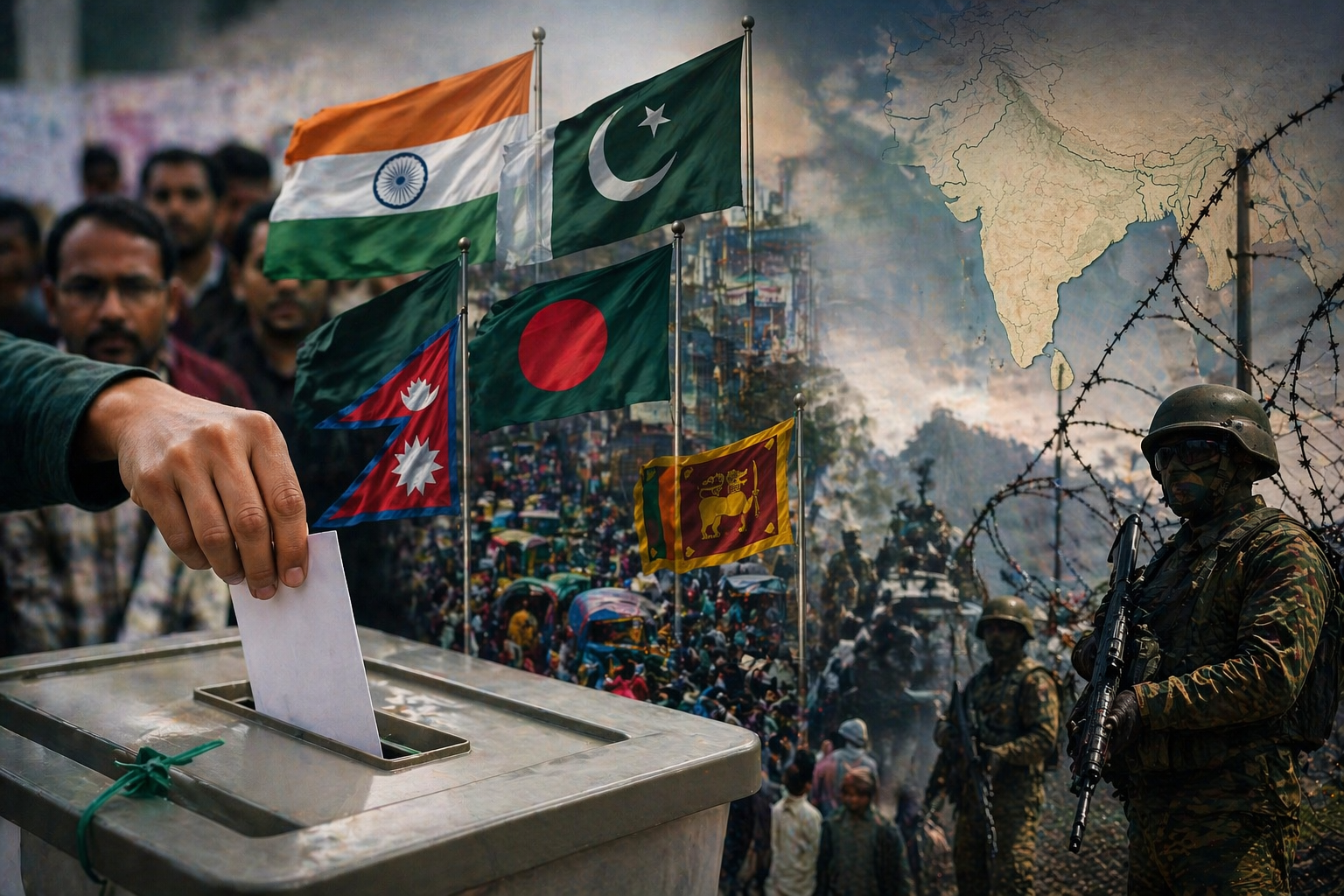
South Asia has rarely faced as many simultaneous pressures as it does in 2026. A region already defined by contested borders, fragile democracies, and great-power competition is now navigating a rare convergence of crises democratic transitions, military standoffs, and a fierce contest for economic influence between Beijing and Washington.
The phrase “neighbourhood first” has long been India’s guiding foreign policy doctrine toward its immediate neighbours. But with political upheaval in Bangladesh, governmental collapse in Nepal, a nuclear-tinged confrontation with Pakistan barely a year in the rearview mirror, and a tentative but unresolved reset with China, New Delhi’s regional strategy is being stress-tested like never before.
“South Asia is experiencing a period of accelerated transformation whose consequences extend well beyond its borders.”
India–Pakistan: a fragile post-Sindoor order
The most alarming flashpoint of 2025 and the one whose reverberations are still being felt was India’s Operation Sindoor in May of that year. Launched as a retaliatory military strike on terror camps inside Pakistan following the deadly Pahalgam attack, Operation Sindoor marked the most serious confrontation between the two nuclear-armed neighbours since the 2019 Balakot crisis. The two countries pulled back from the brink, but the diplomatic frost has not fully thawed.
Pakistan, however, has adeptly turned the post-Sindoor narrative to its advantage. Islamabad has successfully reframed its global image, portraying restraint and diplomatic outreach. US–Pakistan relations are on an upward trajectory, with Washington keen on balancing its regional interests. Meanwhile, India has quietly deepened engagement with Afghanistan’s Taliban leadership a move that has unnerved Islamabad, which long viewed Afghanistan as its “strategic depth.” The western front, analysts warn, is likely to grow more volatile in the months ahead.
Bangladesh and Nepal: democracy in transition
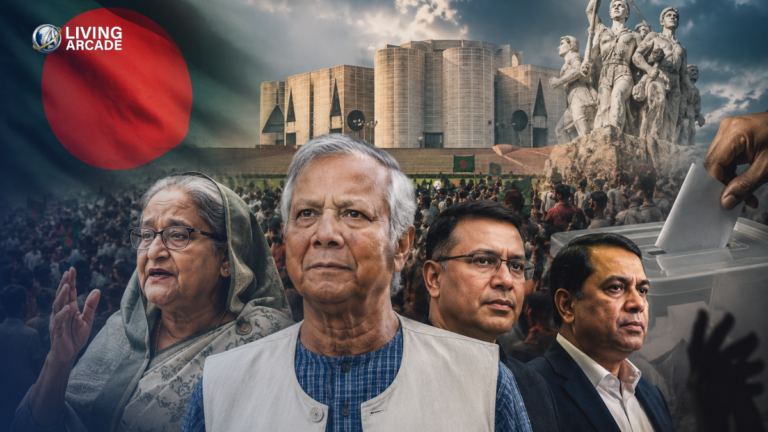
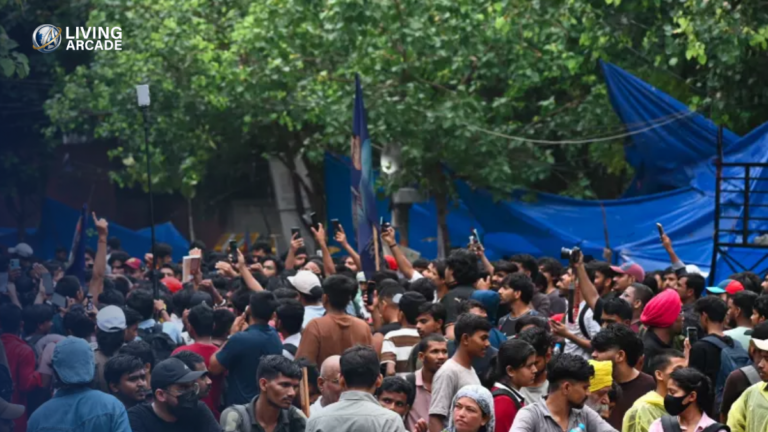
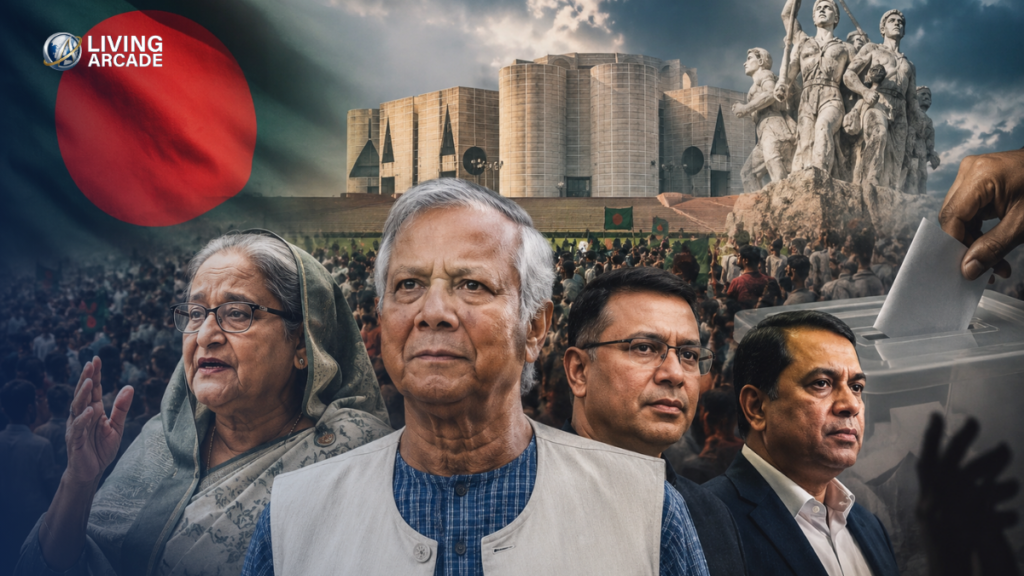
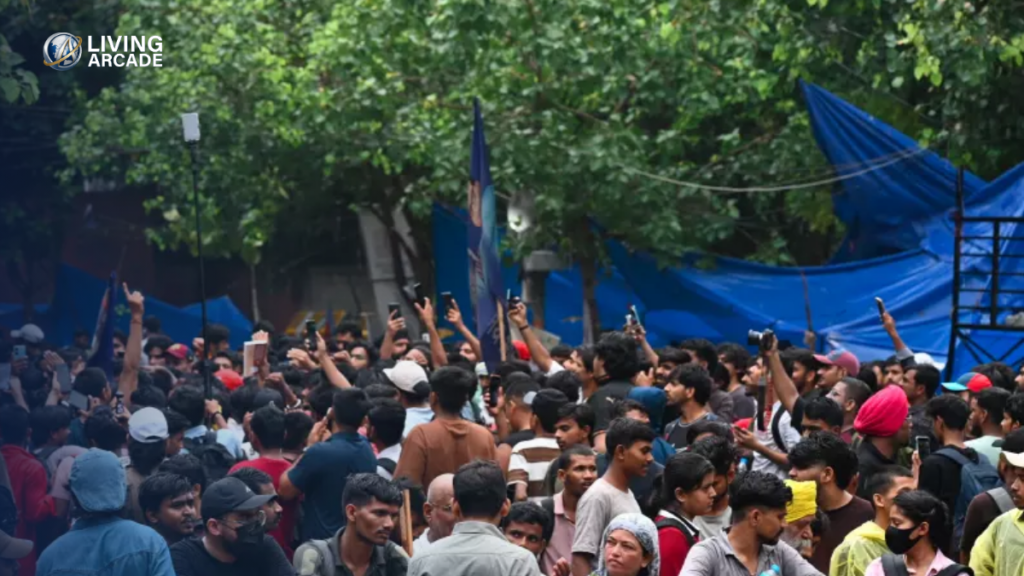
The fall of Sheikh Hasina’s government in Bangladesh in 2024 ended over a decade of political equilibrium. The interim administration in Dhaka is now preparing the ground for general elections in early 2026 a vote that will not only determine Bangladesh’s economic trajectory but could also reset its geopolitical alignments between India and China. Both New Delhi and Beijing are closely watching Dhaka, aware that Bangladesh’s political direction carries significant strategic weight in the Bay of Bengal.
Nepal tells a similarly turbulent story. The collapse of the Oli-led government in 2025 and elections slated for March 2026 have once again laid bare the country’s chronic political instability and its vulnerability to competing pressures from India and China. Sandwiched between the two Asian giants, Nepal’s leadership has struggled to chart an independent course, with infrastructure deals and party politics often entangled in Beijing–New Delhi rivalry.
India–China: a managed thaw
The 2024 border patrol agreement in the disputed Himalayan frontier initiated what analysts cautiously call a “normalisation process” between New Delhi and Beijing. Yet the relationship remains deeply conditional propped up by economic incentives on both sides but constantly shadowed by security concerns along the Line of Actual Control. The Himalayan frontier has become, as one analyst described it, “the space where history, security and development reshape India–China rivalry.” In 2026, both countries are choosing cautious engagement over confrontation, but a genuine strategic reset remains elusive.
The great-power contest for South Asia
Beyond the subcontinent’s own internal dynamics lies a broader competition that is reshaping the region from the outside. China’s Belt and Road Initiative continues to weave infrastructure deals through Pakistan, Nepal, Sri Lanka, and Bangladesh. The US, meanwhile, is deepening defence and economic partnerships with India and in a notable strategic pivot is showing renewed interest in Pakistan. Japan has also emerged as a significant player, using long-term infrastructure development as a tool of quiet strategic presence across South Asia.
For Sri Lanka, still recovering from its 2022 economic collapse, the challenge is even more existential: how to balance debt restructuring with sovereignty, and strategic suitors with genuine development needs. Chulanee Attanayake, writing for the ISPI, describes Sri Lanka’s path as “narrow” caught between economic recovery, climate vulnerability, and the Indian Ocean’s intensifying strategic competition.
What comes next
South Asia in 2026 is not on the edge of a single decisive moment it is in the middle of many simultaneously. Elections will decide the direction of two nations. Border disputes will continue to define two others. And the great powers will keep pulling at the seams of a region that has always been, geographically and historically, too important to be left to itself.
What is clear is that the old assumption that South Asia’s conflicts are essentially local no longer holds. The region’s fault lines now run through the corridors of power in Washington, Beijing, and beyond. For anyone trying to understand where global geopolitics is heading, South Asia is no longer a sideshow. It is the main stage.
![Picture of Mahibur Fakir [Hillol]](https://secure.gravatar.com/avatar/5d35a11815be0a5f73b6180975d1521fdd7694c880473d8ad5c74749dce26bd6?s=176&d=mm&r=g)